

❄️🐾 Winter can be magical, especially when fluffy snowflakes 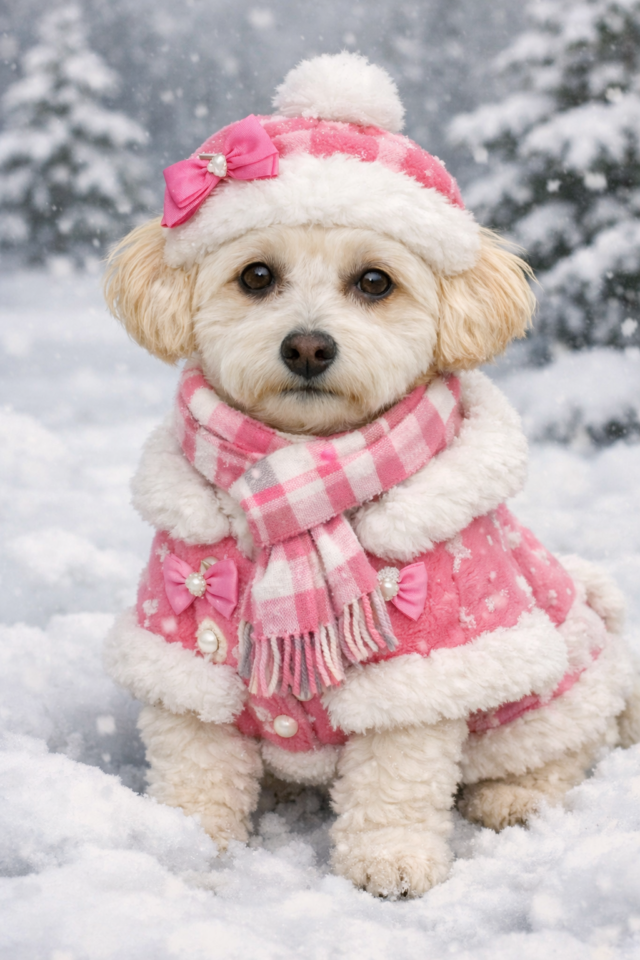 fall and everything looks like a sparkling wonderland. But while we humans can bundle up with coats, scarves, and hot cocoa, our pets rely on us to help them stay warm, safe, and comfortable. Whether you have a playful pup who loves zooming through snow piles or a curious kitty who wants to peek outside, cold weather pet care is essential for keeping your furry babies healthy during winter storms.
Snowstorms, icy winds, and freezing temperatures can be dangerous for pets, even those with thick coats. Winter pet safety is more than just limiting outdoor time. It includes paw protection, hydration, grooming, nutrition, and creating a warm indoor environment. Love Furry Babies is all about helping pet parents keep their animals safe, happy, and loved, so this guide brings together everything you need to know about protecting your pets from the cold.
Before we dive into the details, here are the five key winter pet safety tips every pet parent should follow:
Five Essential Winter Pet Safety Tips
• Keep outdoor time short and always supervise your pets
• Protect paws from ice, salt, and frostbite
• Provide warm bedding and draft-free indoor spaces
• Maintain proper grooming to support natural insulation
• Watch for signs of cold stress like shivering or limping
🌬️🐶 Understanding How Cold Weather Affects Pets
Just like humans, pets can experience hypothermia, frostbite, and  discomfort when temperatures drop. Even breeds known for loving the cold, like Huskies or Malamutes, can still be at risk during extreme weather. Smaller dogs, short-haired breeds, senior pets, and animals with medical conditions are especially vulnerable.
Cold weather pet care starts with understanding how your pet reacts to winter conditions. Dogs and cats lose heat through their ears, paws, and nose. When snow or ice sticks to fur, it can lower body temperature quickly. Wind chill can make temperatures feel much colder than the thermometer shows, and icy surfaces can cause slips or injuries.
⏱️❄️ Limit Outdoor Time and Supervise Winter Play
Many pets love playing in the snow, but winter 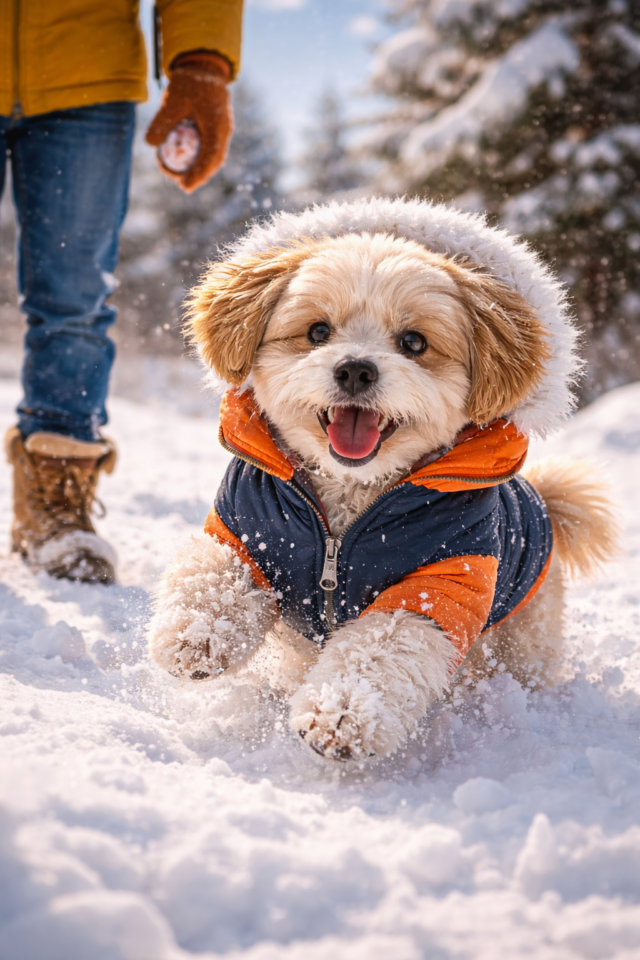 storms can create dangerous conditions. Snow can hide hazards like sharp objects, frozen puddles, or ice patches. Dogs can also lose their scent trail in deep snow, making it easier to become disoriented.
Short, supervised outings are the safest approach. If your dog needs exercise, consider multiple quick potty breaks instead of long walks. For high-energy pups, indoor enrichment like puzzle toys, treat hunts, or hallway fetch can help burn off energy without risking exposure.
Cats should always remain indoors during winter storms. Even outdoor cats can become trapped, injured, or disoriented in snow.
🐾🧤 Protect Those Precious Paws
Paw protection is one of the most important parts of winter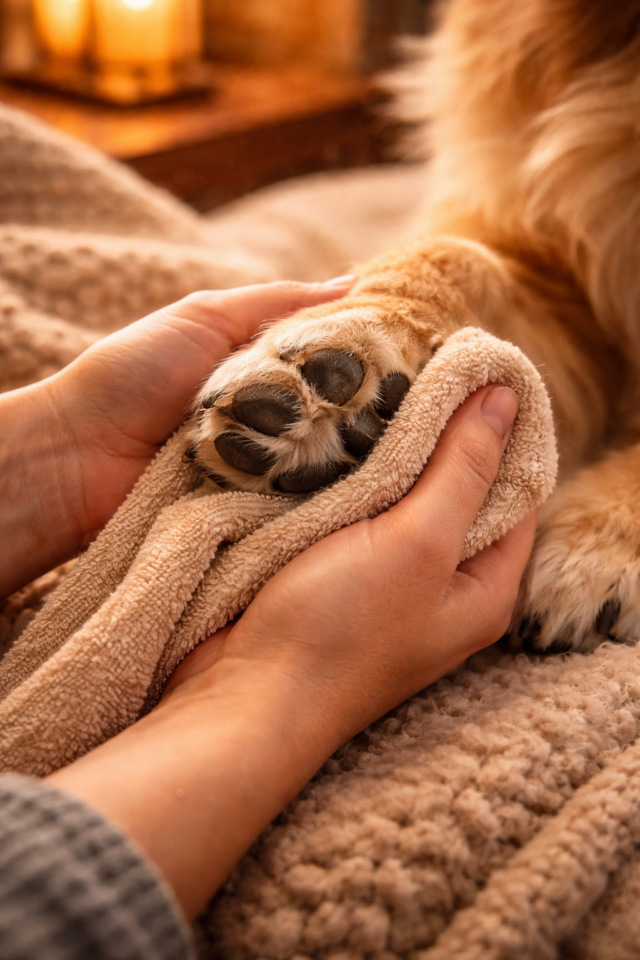 pet safety. Ice, snow, and road salt can irritate paw pads, causing cracking, redness, or chemical burns. Snow can also clump between toes, leading to frostbite.
Here’s how to protect your pet’s paws:
• Use pet-safe paw balm before and after walks
• Trim fur between paw pads to prevent ice buildup
• Rinse paws after outdoor time to remove salt and chemicals
• Consider dog booties for extra protection
If your pet refuses booties, don’t worry. Many dogs need time to adjust. Start with short practice sessions indoors and reward them with treats.
🛏️🔥 Warm Bedding and Draft-Free Spaces
Even indoor pets can feel the chill when temperatures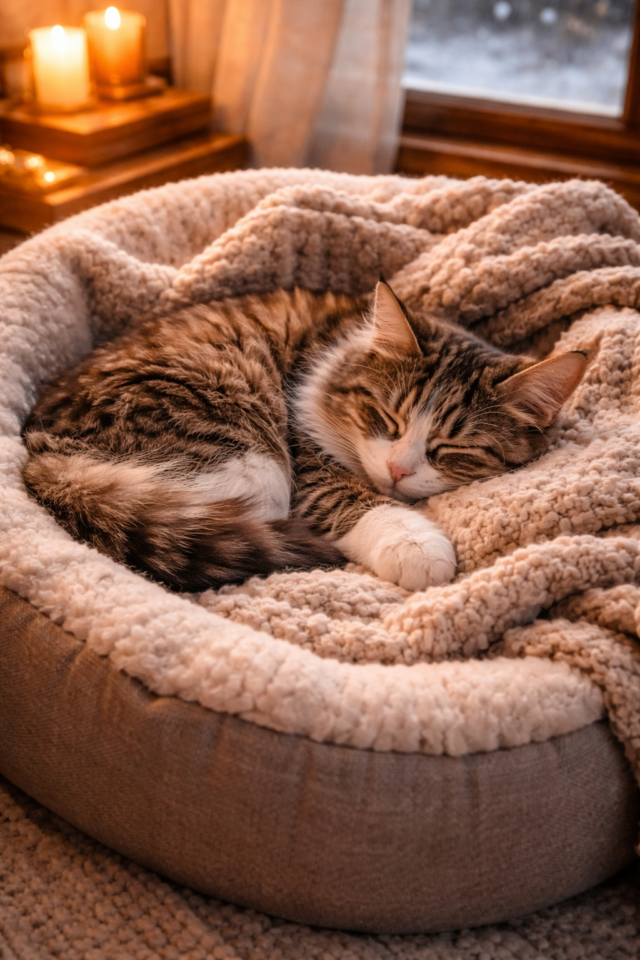 drop. Drafts, cold floors, and poorly insulated rooms can make your furry babies uncomfortable. Creating warm, cozy spaces helps them stay safe and relaxed.
Choose bedding that is:
• Elevated off cold floors
• Thick and plush
• Placed away from windows and doors
• Easy to wash and maintain
Heated pet beds can be helpful for senior pets or animals with arthritis, but always choose models designed specifically for pets to avoid overheating.
Cats especially love warm nooks, so consider placing soft blankets in their favorite hiding spots.
🧼🐕 Grooming Matters in Winter
Many pet parents assume winter means less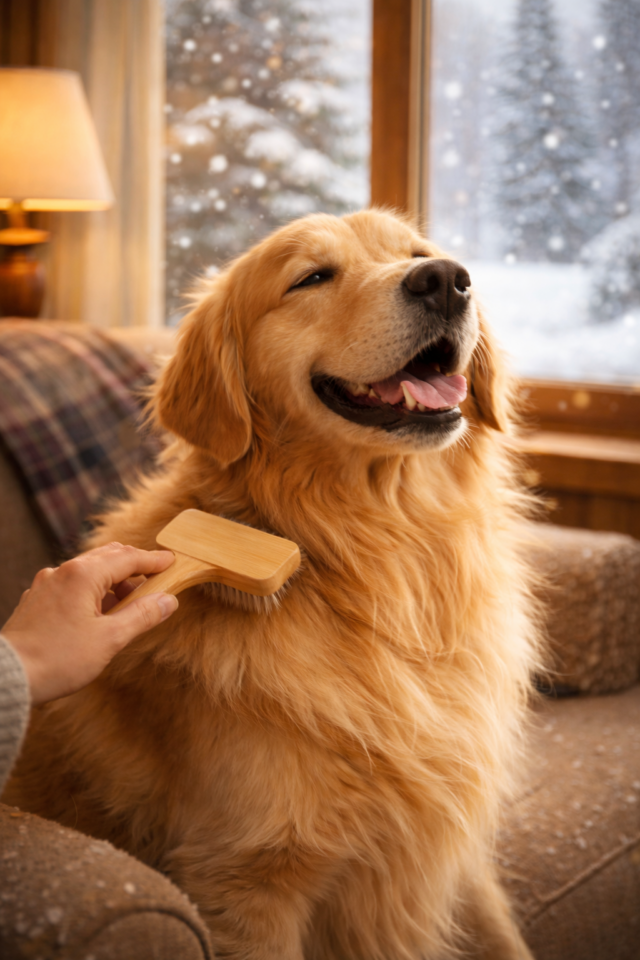 grooming, but the opposite is true. Proper grooming supports your pet’s natural insulation. Matted fur traps moisture and reduces warmth, making pets more vulnerable to cold temperatures.
Winter grooming tips include:
• Regular brushing to prevent matting
• Keeping fur clean and dry
• Avoiding shaving or cutting fur too short
• Checking for snowballs stuck in fur after outdoor time
Bathing should be less frequent in winter, as dry indoor air can cause skin irritation. When you do bathe your pet, use moisturizing shampoos and ensure they are fully dry before going outside.
💧🍲 Hydration and Nutrition During Cold Weather
Cold weather can reduce your pet’s thirst, but hydration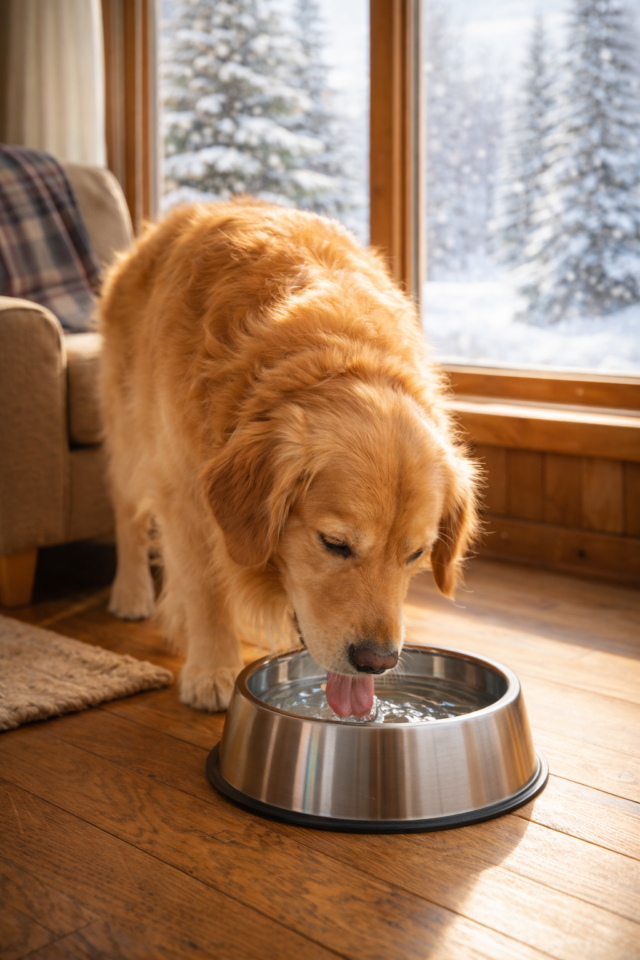 is still essential. Snow is not a safe substitute for water. Make sure your pet always has access to fresh, unfrozen water.
Pets may also burn more calories in winter, especially if they spend time outdoors. Talk to your veterinarian about whether your pet needs a slight increase in food during colder months.
Avoid letting pets eat snow, as it may contain chemicals, salt, or debris.
🥶🐱 Recognizing Signs of Cold Stress
Pets can’t tell us when they’re too cold, so it’s important to watch for signs of discomfort. Symptoms of cold stress include:
• Shivering
• Whining or anxious behavior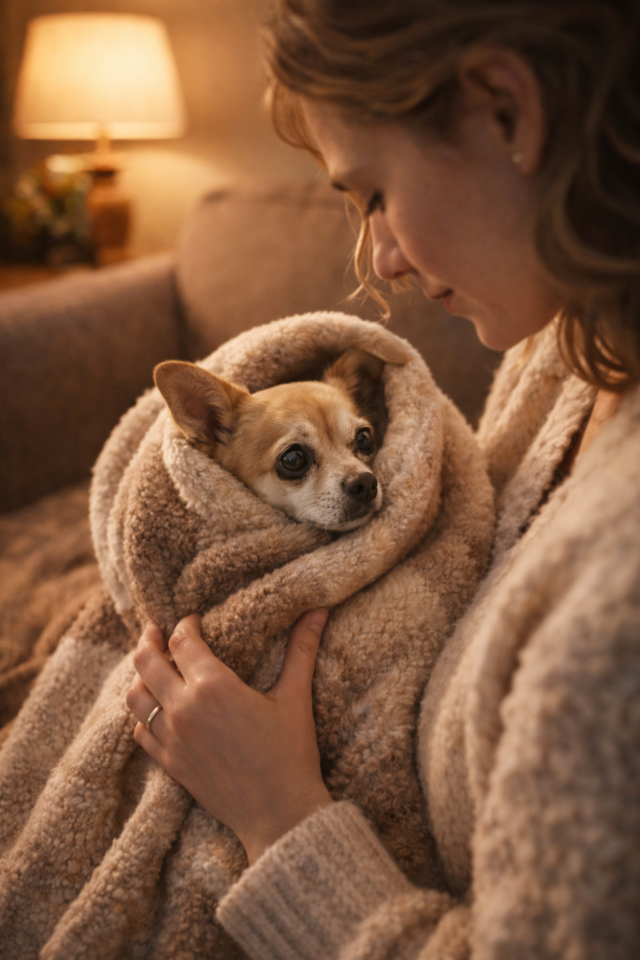
• Lifting paws off the ground
• Slowing down or refusing to walk
• Pale or blue gums
If you notice any of these signs, bring your pet indoors immediately and warm them gradually with blankets and gentle heat.
🧥✨ Winter Gear for Pets
Winter pet gear can make a big difference in keeping your furry babies safe. Items like insulated coats, waterproof booties, reflective collars, and LED tags help protect pets during dark, snowy conditions.
Choose gear that fits properly and doesn’t restrict movement. For dogs with short coats or low body fat, a winter jacket is especially helpful.
Image Placement #8
Place after this section.
Image Prompt: “A stylish dog wearing a winter coat and reflective collar standing in light snow, bright and cheerful winter scene.”
🏠🎉 Indoor Enrichment for Snowy Days
When snowstorms make outdoor time limited,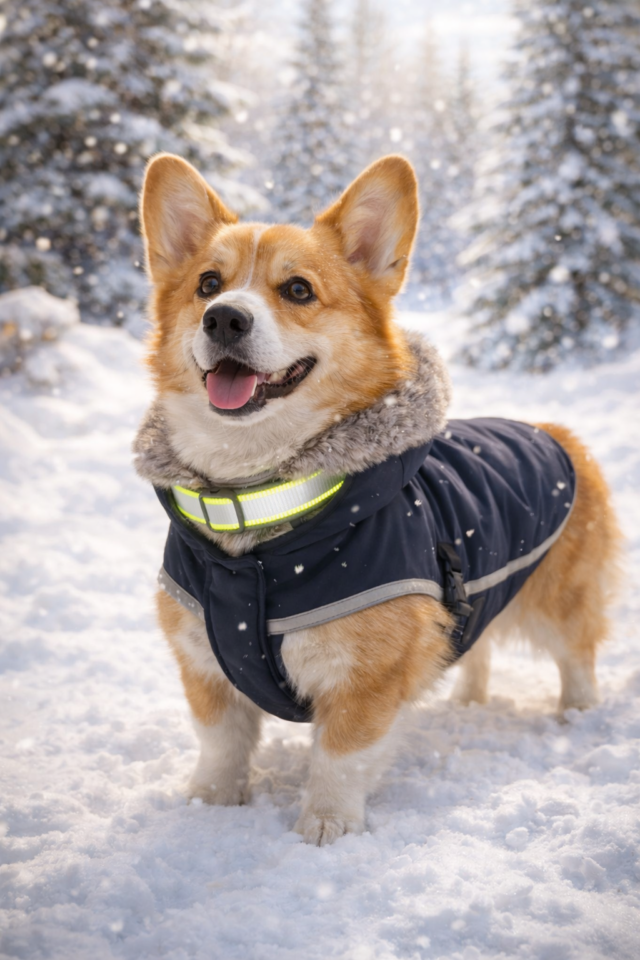 indoor enrichment becomes essential. Mental stimulation keeps pets happy, reduces boredom, and prevents destructive behavior.
Fun indoor activities include:
• Treat puzzles
• Snuffle mats
• Hide and seek
• Training sessions
• Indoor fetch or tug games
Cats enjoy window perches, feather toys, and interactive play sessions.
❤️❄️ Final Thoughts: Keeping Your Furry Babies Safe All Winter
Winter can be a beautiful season, but it also brings challenges 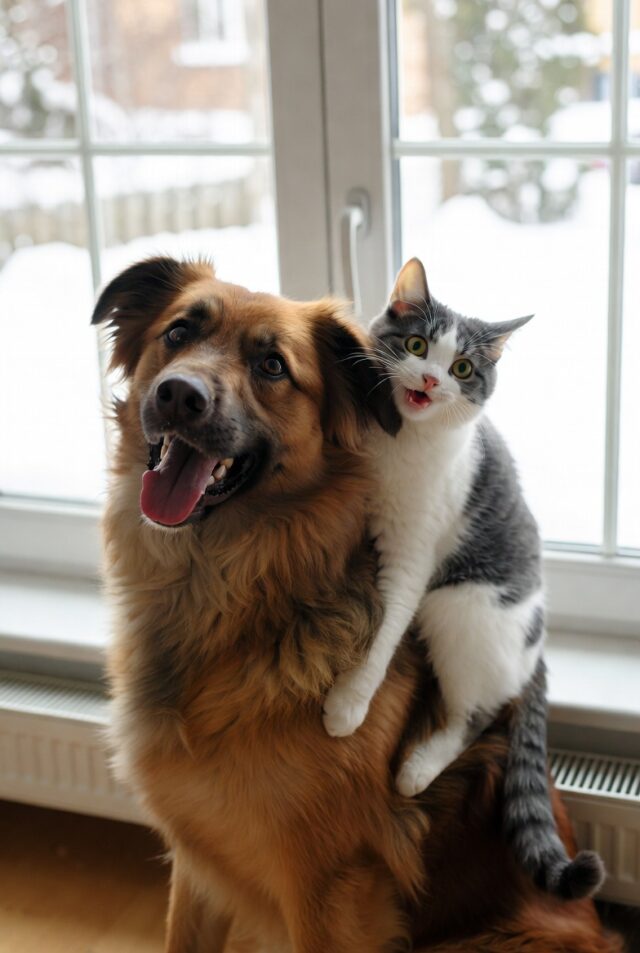 for pets. With the right winter pet safety strategies, you can protect your furry babies from snow, ice, and freezing temperatures. Love Furry Babies is dedicated to helping pet parents create safe, loving environments all year long. By staying informed, preparing your home, and watching for signs of cold stress, you’ll ensure your pets stay warm, healthy, and happy through every snowstorm.
