

Pets are sweet, funny, dramatic, cuddly little family members, but they are also very good at hiding discomfort. That is why learning the early signs of serious pet health issues is one of the most important things a pet parent can do. A dog may seem “just tired.” A cat may seem “a little moody.” A small change in appetite, breathing, bathroom habits, or behavior can be the first warning that something more serious is happening.
This does not mean every sneeze is an emergency. It means pet parents should know the difference between a mild concern and a warning sign that deserves a call to the veterinarian. Difficulty breathing, collapse, uncontrolled bleeding, repeated vomiting, severe pain, trouble urinating, and seizures are all examples of signs that need urgent veterinary attention. The American Veterinary Medical Association lists breathing trouble, severe bleeding, choking, seizures, and other major symptoms as animal emergencies that require immediate veterinary consultation or care. (AVMA)

Why Early Pet Health Warning Signs Matter
Dogs and cats cannot explain what hurts. They communicate through behavior, appetite, posture, energy level, grooming habits, bathroom changes, and breathing patterns. The problem is that many pet health symptoms look small at first. A normally playful dog may start sleeping more. A friendly cat may suddenly hide under the bed. A pet who usually runs to the food bowl may sniff dinner and walk away.
These changes matter because early care can prevent a manageable problem from turning into a crisis. A urinary issue, digestive problem, respiratory infection, dental infection, toxin exposure, or internal pain can worsen quickly if ignored. Cornell Feline Health Center notes that signs of illness in cats can include lack of appetite, persistent vomiting, diarrhea, weight loss, straining to urinate, excessive thirst, difficulty breathing, lethargy, and swelling that appears quickly or keeps growing. (Cornell Vet School)
The best rule is simple: you know your pet’s normal. When normal changes suddenly or strongly, pay attention.
Appetite Changes That Should Not Be Ignored
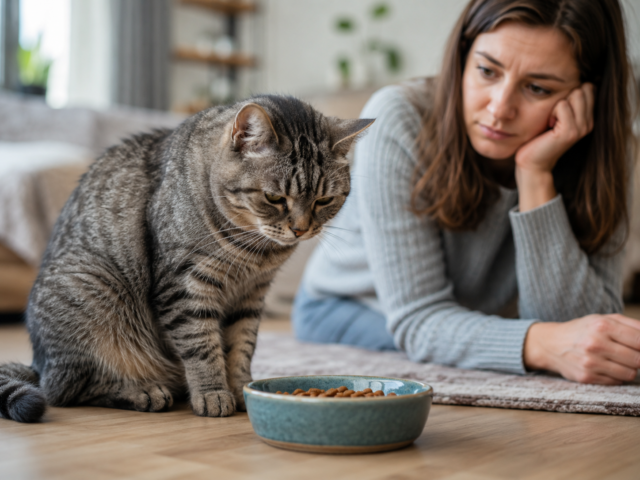
A skipped meal is not always a disaster, especially if your pet is otherwise bright, drinking normally, and acting like themselves. But appetite changes become more concerning when they are sudden, repeated, or paired with other symptoms.
Loss of appetite can point to pain, nausea, dental disease, infection, kidney problems, digestive illness, stress, or something more serious. A cat who stops eating is especially concerning because cats can develop dangerous complications when they go too long without food. A dog who refuses meals and also seems weak, bloated, restless, or painful needs prompt care.
Increased appetite can also be a warning sign. If your pet is suddenly ravenous but losing weight, drinking more, or urinating more, it may point to metabolic problems that need testing.
Vomiting, Diarrhea, and Digestive Red Flags
Pets occasionally vomit or have loose stool. That does not mean you should panic every time. But repeated vomiting, severe diarrhea, blood in vomit or stool, weakness, belly pain, dehydration, or vomiting paired with lethargy should never be brushed off.
VCA Hospitals advises immediate veterinary care when vomit contains blood or when vomiting is accompanied by symptoms such as fever, lethargy, loss of appetite, abdominal pain, diarrhea, or dehydration. (Vca)
Watch closely for these digestive warning signs:
- Repeated vomiting or diarrhea within a short period
- Blood in vomit, stool, or urine
- A swollen, painful, or hard belly
- Refusing food along with vomiting or diarrhea
- Weakness, shaking, collapse, or extreme tiredness
If your pet cannot keep water down, seems painful, or acts “off” after vomiting or diarrhea, do not wait days to see what happens. Call your veterinarian or emergency vet.
Breathing Problems Are Always Serious
Breathing problems are one of the clearest signs that a pet may need emergency help. This includes labored breathing, open-mouth breathing in cats, blue or pale gums, constant coughing, choking, wheezing, gasping, or breathing that looks fast and strained while resting.
This is not the time to watch and hope. Pets can decline quickly when oxygen is involved. The AVMA includes choking, difficulty breathing, nonstop coughing, and gagging among emergencies that require immediate veterinary consultation or care. (AVMA)
For cats, open-mouth breathing is especially alarming. Cats do not normally pant like dogs after everyday activity. A cat breathing with an open mouth, hiding while breathing hard, or stretching the neck to breathe needs urgent attention.
Behavior Changes Can Be Early Signs of Pet Illness
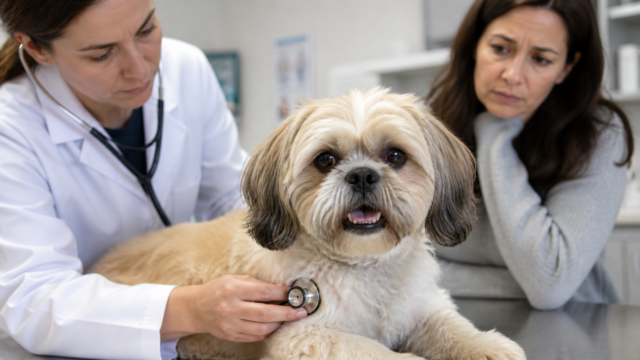
Sometimes the first sign of a serious pet health issue is not dramatic. It is a personality shift. Your sweet dog becomes snappy. Your social cat hides. Your playful puppy stops wanting toys. Your senior pet stares at walls, paces at night, or seems confused.
Behavior changes can be linked to pain, fever, anxiety, vision loss, hearing loss, cognitive decline, neurological problems, injury, or internal illness. The mistake many pet parents make is dismissing behavior changes as “bad behavior.” A pet who suddenly growls when touched may not be stubborn. They may be hurting.
If your pet is hiding more, avoiding stairs, sleeping far more than usual, whining, pacing, trembling, or acting unusually clingy, treat that as information. Pets are not trying to be difficult. They are telling you something has changed.
Bathroom Habit Changes You Should Take Seriously
Bathroom changes are some of the most important pet illness symptoms to watch. Changes in urination or stool can reveal problems with the kidneys, bladder, digestive system, hormones, hydration, or pain level.
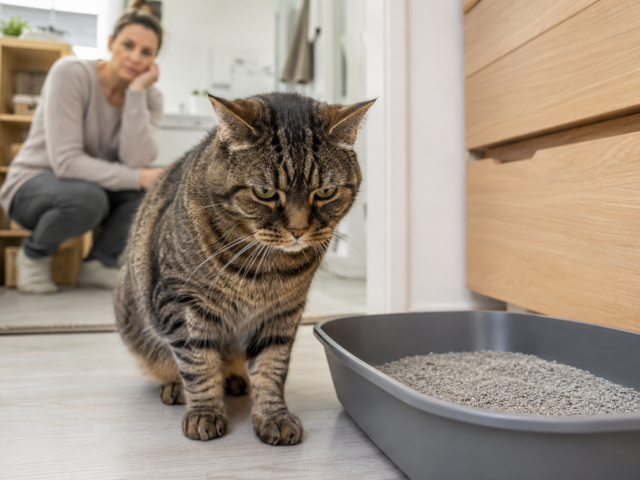
A dog asking to go out more often, having accidents, straining to urinate, or producing only tiny amounts of urine needs attention. A cat visiting the litter box repeatedly, crying in the box, or producing little to no urine may have a urinary blockage or serious urinary issue. That can become life-threatening, especially in male cats.
Excessive thirst is another warning sign. If you are filling the water bowl more often or noticing larger urine clumps in the litter box, do not ignore it. Increased drinking and urination can be linked with diabetes, kidney disease, urinary tract problems, or other medical conditions.
Pain, Limping, Swelling, and Sudden Weakness
Pain does not always look like crying. Many pets suffer quietly. They may move slowly, avoid jumping, lick one area repeatedly, tremble, hide, flatten their ears, pant at rest, or become unusually still.
Limping that lasts, sudden weakness, dragging a limb, difficulty standing, swelling, yelping when touched, or refusing to move should be taken seriously. A rapidly growing swelling can signal infection, allergic reaction, trauma, or another urgent problem. Cornell includes rapidly appearing or increasing swelling as a sign of illness that pet parents should watch closely. (Cornell Vet School)
Sudden collapse, fainting, or inability to stand is an emergency. Even if your pet seems to recover afterward, they still need veterinary evaluation. A temporary recovery does not prove the danger has passed.
Eye, Ear, Skin, and Coat Changes
Some pet health warning signs show up on the outside. Red eyes, squinting, cloudy eyes, eye discharge, constant pawing at the face, head shaking, ear odor, hair loss, sores, scabs, hot spots, or sudden skin swelling can all point to health problems.
Eye problems should be handled quickly because some eye conditions can worsen fast and become painful. Ear infections can also become more serious if left untreated, especially if your pet is scratching hard, shaking their head, or losing balance.
Skin issues may look minor at first, but repeated licking, chewing, odor, redness, and open sores can lead to infection. A shiny, healthy coat usually reflects overall health. A dull coat, sudden shedding, matting from poor grooming, or greasy fur can be a clue that your pet does not feel well.

When to Call the Vet Immediately
Do not waste time searching online for hours if your pet has emergency symptoms. Call your veterinarian, an emergency vet, or an animal poison hotline if poisoning is possible. Fast action matters.
You should call right away for trouble breathing, collapse, seizures, severe bleeding, bloated belly, repeated vomiting, bloody diarrhea, inability to urinate, extreme pain, suspected poisoning, major injury, or sudden severe weakness. VCA Hospitals also notes that severe allergic reactions can start with facial swelling, hives, vomiting, diarrhea, and restlessness, then quickly progress to collapse and breathing difficulty. (Vca)
Trust your instincts, but do not rely only on instincts. If your pet looks seriously different from normal, make the call.
How Pet Parents Can Catch Problems Earlier
The best pet health care starts with observation. You do not need to panic over every little change, but you do need to notice patterns. Track appetite, water intake, bathroom habits, weight, energy level, breathing, and behavior. For cats, watch the litter box closely. For dogs, notice changes on walks, stairs, playtime, and sleep.
Preventive vet visits also matter. Routine exams, dental checks, vaccines, parasite prevention, bloodwork when recommended, and weight monitoring help catch issues before they become expensive or dangerous.
Photos and short videos can also help your vet. If your pet is coughing, limping, trembling, breathing oddly, or having unusual episodes, record it safely. A short video may show your veterinarian something your pet does not repeat in the exam room.
Final Thoughts: Do Not Ignore What Your Pet Is Trying to Tell You
The early signs of serious pet health issues are not always loud. Sometimes they are quiet changes: less energy, less appetite, more hiding, more thirst, unusual bathroom habits, strange breathing, or a small behavior shift that feels “not like them.”
Your pet depends on you to notice what they cannot explain. You do not need to be fearful. You need to be observant, practical, and willing to call the vet when something feels wrong. Fast attention can protect your pet’s comfort, health, and life.
Love Furry Babies is all about celebrating the joy, love, personality, and precious bond we share with our pets. Part of loving them well is learning their warning signs and taking action when they need help.
👉 Shop here: Love Furry Babies Etsy Shop
💌 Monthly newsletter launches the 1st with tips, fun facts & announcements:
Sign up for the Love Furry Babies Monthly Newsletter
