

Copper storage disease in dogs is one of those health issues that sounds rare and confusing at first, but it is something dog owners should understand. It affects the liver, it can become serious before obvious symptoms appear, and it is getting more attention as more pet parents and veterinarians talk about it. According to Dog Food Advisor, copper storage disease, also called copper associated hepatopathy, happens when excess copper builds up in the liver and causes damage, scarring, and potentially life threatening liver disease. (Dog Food Advisor)
For loving dog parents, that matters a lot. The liver is one of the body’s hardest working organs. It helps process nutrients, filter toxins, and support overall health. When too much copper accumulates in the liver, that system can start breaking down quietly in the background. By the time a dog looks obviously sick, the damage may already be advanced. That is why awareness matters so much. (Dog Food Advisor)
What Is Copper Storage Disease in Dogs?

Copper is not the enemy. Dogs actually need copper as an essential mineral. Dog Food Advisor explains that copper comes through the diet and is normally handled by the liver, with excess copper being excreted through bile in healthy dogs. The problem begins when that process does not work properly and copper starts building up instead of leaving the body. (Dog Food Advisor)
When copper keeps collecting in the liver, it can injure liver cells over time. This can lead to inflammation, scarring, poor liver function, and eventually liver disease. In some dogs, genetics play a major role. Dog Food Advisor notes that a recessive gene called COMMD1 can affect copper metabolism, but genetics are not the only explanation, and copper storage disease is not limited to just one cause. (Dog Food Advisor)
That is what makes this topic especially important for dog lovers. A playful pup can seem perfectly normal while changes are quietly happening inside the liver. One day the dog may just seem a little tired. Later, weight loss, vomiting, or major illness may appear. It is not something most owners would catch early without a veterinarian’s help. (Dog Food Advisor)
Which Dogs Are Most at Risk?

Some breeds show up more often in discussions about copper storage disease. Dog Food Advisor lists Bedlington Terriers, Labrador Retrievers, Skye Terriers, West Highland Terriers, Dalmatians, and Doberman Pinschers among the breeds more commonly affected. The article also notes an important breed pattern in Doberman Pinschers, where females are most often affected. (Dog Food Advisor)
Still, this is where some people get the situation wrong. It is a mistake to assume only those breeds are at risk. Dog Food Advisor states that copper storage disease has the potential to occur in any breed of dog and at any age. That means mixed breed dogs are not automatically off the hook, and owners should not dismiss symptoms just because their dog is not on a typical high risk breed list. (Dog Food Advisor)
For some dogs with inherited risk, copper can begin building up very early. The article explains that copper may start accumulating from around five months of age, with excess copper seen in the liver from about twelve months old. Dogs with the COMMD1 recessive gene may develop toxic liver copper levels by two to four years of age. (Dog Food Advisor)
Symptoms Every Dog Owner Should Watch For
Copper storage disease in dogs can stay hidden for years. That is one reason it can be so frustrating and dangerous. Dog Food Advisor explains that many dogs are diagnosed in adulthood, and the disease may go undetected until the later stages. (Dog Food Advisor)
When symptoms do appear, they may not scream liver disease at first glance. Instead, they can look like vague signs of illness that owners might blame on stress, age, or a stomach issue. Dog Food Advisor identifies several symptoms seen in later stages, including anemia, weight loss, lethargy, vomiting, and depression. (Dog Food Advisor)
Here are five signs that deserve serious attention:
- Unexplained weight loss
- Low energy or unusual lethargy
- Vomiting that keeps coming back
- Signs of anemia or weakness
- A sad, withdrawn, or depressed attitude
Those signs do not prove a dog has copper storage disease, but they are not minor problems either. If a dog is repeatedly vomiting, acting unusually tired, or dropping weight without explanation, that is not something to watch for weeks and hope it passes. That is a veterinary issue. Waiting is the wrong move. (Dog Food Advisor)
How Copper Storage Disease Is Diagnosed

A proper diagnosis takes more than guessing based on symptoms. Dog Food Advisor says copper storage disease is diagnosed through a liver biopsy performed by a veterinarian. That matters because many liver problems can overlap in symptoms, and a real diagnosis is needed before building the right treatment plan. (Dog Food Advisor)
This is where internet advice can become dangerous. A dog with liver trouble should not be treated with random supplements, homemade guesses, or diet changes copied from another pet owner online. Copper storage disease is a medical condition that needs veterinary guidance, monitoring, and follow through. Anything less is sloppy pet care. (Dog Food Advisor)
Veterinarians may also use regular bloodwork over time to monitor liver health and track whether treatment is working. According to Dog Food Advisor, ongoing blood tests are part of management so the care plan can be adjusted as needed. (Dog Food Advisor)
Treatment and Management
Once a dog is diagnosed, the goal is usually to reduce copper buildup and protect the liver from further damage. Dog Food Advisor reports that copper storage disease is often managed with a low copper diet along with copper chelation medication such as penicillamine. Chelation medication binds copper and helps increase its excretion through urine. (Dog Food Advisor)
The article also explains that zinc supplementation may be used because zinc helps reduce copper absorption from the digestive tract. In other words, treatment is often a combination strategy. Lower incoming copper, help the body remove more copper, and keep checking the liver along the way. (Dog Food Advisor)
That is why dog nutrition matters so much in this conversation. Food is not just fuel. For a dog with copper storage disease, diet becomes part of medical management. This is not the time for trendy feeding decisions or casual label reading. It is the time for a veterinarian guided plan based on the dog’s health status, test results, and long term needs. (Dog Food Advisor)
Why Is This Condition Getting More Attention?
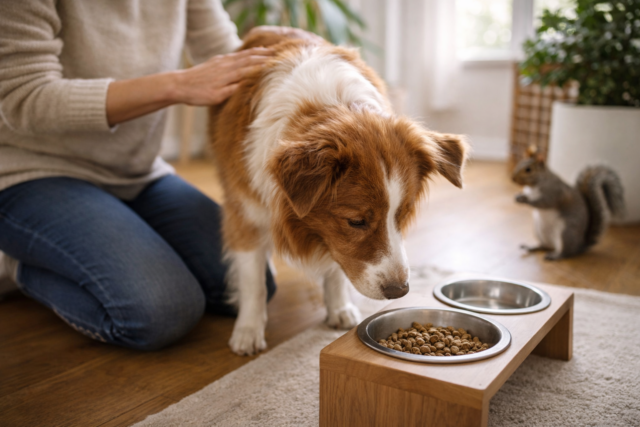
One of the most interesting parts of the Dog Food Advisor article is the discussion about modern pet food and copper levels. The article explains that AAFCO sets nutritional guidelines for pet foods, but there is currently no upper nutritional limit for copper in AAFCO nutritional profiles. That means foods can contain the minimum required copper, but there is not an established maximum cap in place right now. (Dog Food Advisor)
Dog Food Advisor also notes that dog foods often contain more meat and animal or fish proteins than in the past, which can naturally contribute more minerals, including copper. On top of that, copper may also be added through vitamin and mineral premixes. When both sources stack together, some foods may provide copper far above the nutritional requirement. (Dog Food Advisor)
The article cites AAFCO’s 2015 publication stating that complete dog food must contain at least 7.3 mg of copper per kg of food. It also notes that a 2022 report to AAFCO’s Pet Food Committee found that some dog foods contain up to ten times that amount, while no upper limit currently exists and no scientific data has fully established a safe maximum. (Dog Food Advisor)
This does not mean every dog food is dangerous. It does mean the conversation is real, important, and still evolving. Dog Food Advisor says proposals are being made to reintroduce a nutritional maximum for copper in future AAFCO guidelines to better guard against toxicity concerns. (Dog Food Advisor)
What Smart Dog Owners Should Do Next
If this topic feels a little scary, that is understandable. Anything involving liver disease is serious. But the best response is not panic. It is awareness, observation, and working with a veterinarian when something seems off. Dog Food Advisor makes it clear that copper storage disease can be severe, sometimes silent for years, and connected to both genetic risk and dietary copper exposure. (Dog Food Advisor)
For pet parents, the practical takeaway is simple. Know your dog’s breed background if possible. Pay attention to digestive changes, low energy, or unexplained weight loss. Ask better questions when liver issues come up. And do not assume that a food label tells the whole story if your dog has a medical condition that requires special dietary management. (Dog Food Advisor)
At Love Furry Babies, we believe informed pet parents make stronger choices and create happier lives for the animals they adore. Health topics like copper storage disease may sound technical, but at heart this is really about love, vigilance, and giving dogs the healthiest future possible. A little knowledge can go a long way when a wagging tail depends on it. (Dog Food Advisor)
👉 Shop here: https://www.etsy.com/shop/LoveFurryBabiesFUN
💌 Monthly newsletter launches the 1st with tips, fun facts & announcements:
https://preview.mailerlite.io/forms/2009060/175253019353416926/share
