

Spring is finally here and pet parents everywhere are ready to open the windows, clean the house, and enjoy fresh air with their furry babies. But spring also brings hidden household toxins that can affect dogs and cats in ways many families never expect. From cleaning products to blooming plants to outdoor chemicals, springtime hazards can sneak into your home fast.
This guide will help you reduce household pet toxins in spring so your pets stay safe, healthy, and ready to enjoy the sunshine with you.
Spring is a season of renewal, and with a few smart changes, you can make your home a safer space for every furry family member.
Why Spring Increases Pet Toxin Risks
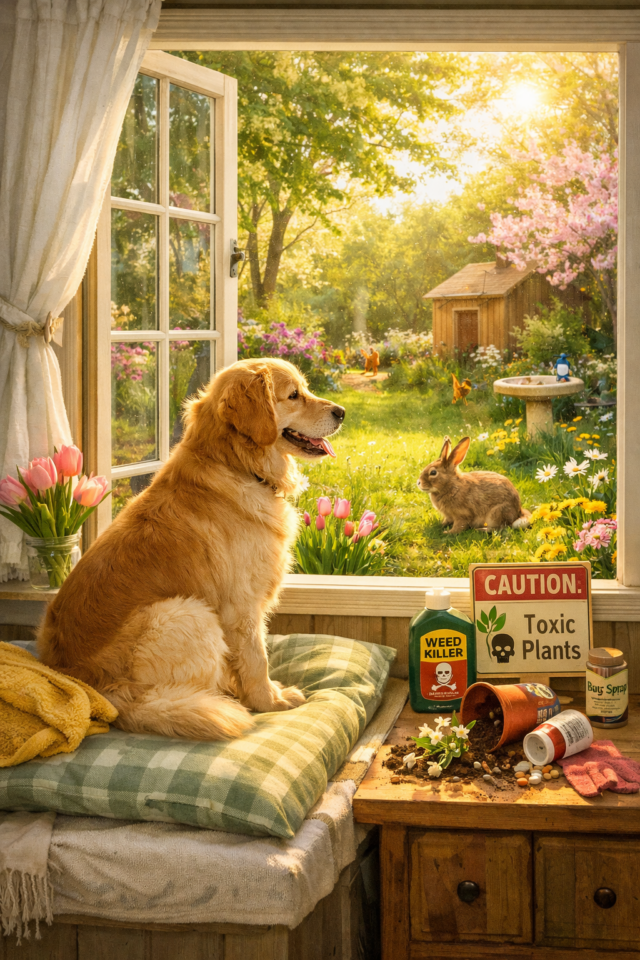
Spring is one of the highest risk seasons for accidental pet poisonings. As the weather warms up, families clean more, garden more, and use products that are not pet friendly. Dogs and cats explore everything, sniff everything, and lick everything, which means even small exposures can become big problems.
Common spring toxin sources include cleaning sprays, floor products, fertilizers, mulch, pest control treatments, and even certain flowers. Many of these items contain chemicals that irritate paws, skin, and airways. Others can cause vomiting, tremors, or worse if ingested.
Understanding where toxins hide is the first step to reducing them.
Switch to Pet Safe Cleaning Products
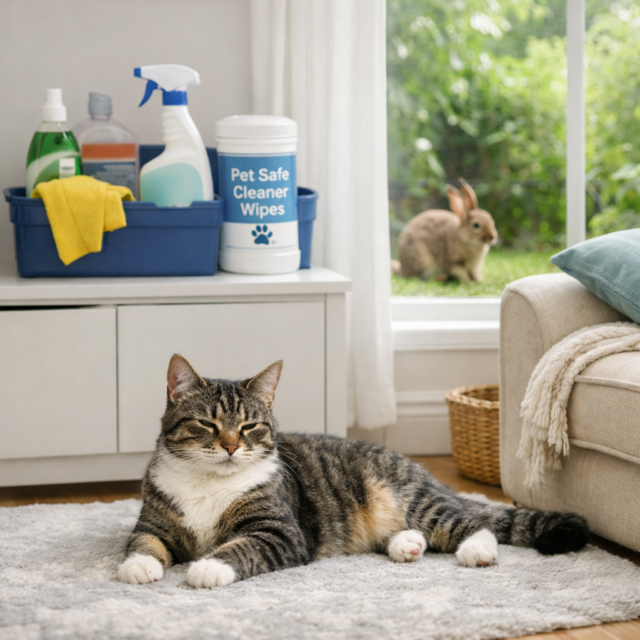
Spring cleaning is a tradition, but many popular cleaning products contain ingredients that are unsafe for pets. Bleach, ammonia, phenols, and strong fragrances can irritate your pet’s nose, throat, and paws. Cats are especially sensitive because they groom themselves and ingest anything that lands on their fur.
Choose cleaning products labeled as pet safe or make simple cleaners using vinegar and water. Always keep pets out of the room until surfaces are fully dry. Even natural products can cause issues if a pet walks across a wet floor and licks their paws.
Watch Out for Toxic Spring Plants
Spring flowers are beautiful, but many are dangerous for pets. Lilies are extremely toxic to cats. Tulips, daffodils, azaleas, and hyacinths can cause stomach upset or more serious reactions in dogs and cats. Even outdoor plants can become a problem if pets chew on leaves or dig in treated soil.
If you love spring flowers, choose pet friendly options like marigolds, sunflowers, roses, and snapdragons. Keep bouquets out of reach and avoid planting toxic varieties in areas where pets roam.
Reduce Outdoor Chemical Exposure
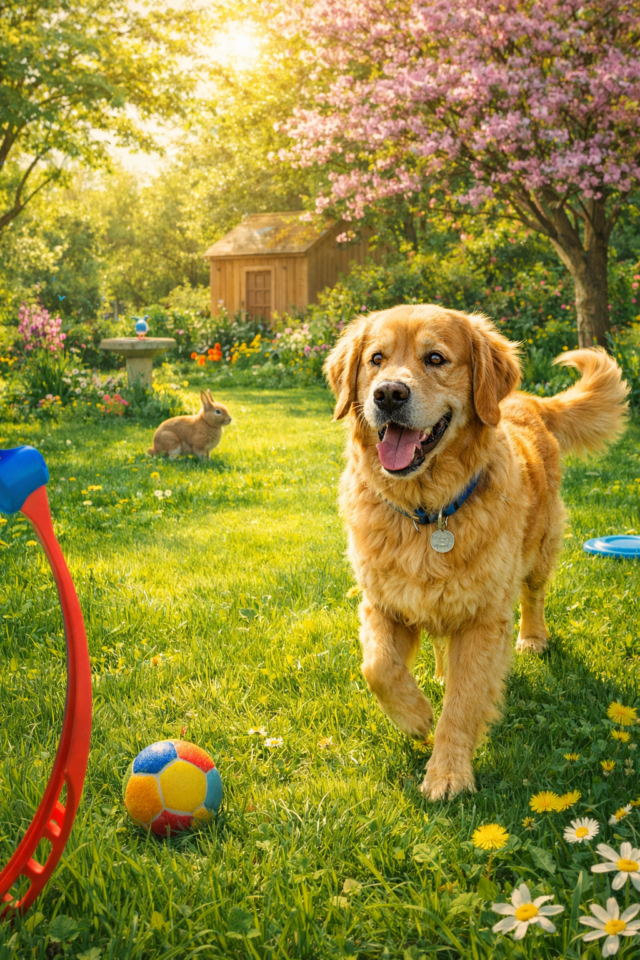
Spring means gardening, lawn care, and pest control. Unfortunately, many outdoor products contain chemicals that cling to paws and fur. Fertilizers, weed killers, ant bait, and slug pellets are all common spring hazards.
Pets can ingest toxins by licking their paws or eating grass treated with chemicals. Always follow product instructions carefully and keep pets away from treated areas until everything is dry and safe. If possible, choose organic or pet safe lawn care products.
Improve Indoor Air Quality for Pets
Spring pollen, dust, and cleaning fumes can irritate your pet’s respiratory system. Dogs and cats spend more time close to the floor where dust collects, so improving indoor air quality helps them breathe easier.
Simple ways to improve air quality include opening windows for ventilation, vacuuming regularly, washing pet bedding weekly, and using air purifiers with HEPA filters. Avoid plug in air fresheners and strong scented candles, which can irritate sensitive noses.
Store Spring Supplies Safely
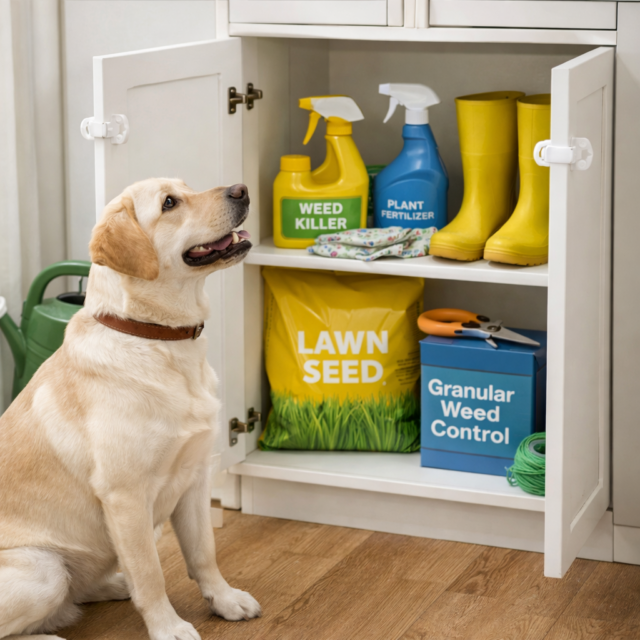
Many spring items are harmless to humans but dangerous to pets. Keep all cleaning products, gardening supplies, essential oils, and medications stored in closed cabinets or high shelves. Pets are curious and will investigate anything that smells interesting.
This is especially important for cats, who can jump onto counters and shelves with ease. Dogs may chew through bottles or bags if they are left on the floor or in open bins.
Five Quick Ways to Reduce Pet Toxins This Spring
Here are five simple steps you can take right now to make your home safer for your furry babies:
- Replace harsh cleaners with pet safe alternatives
- Keep toxic plants out of your home and yard
- Choose pet friendly lawn and garden products
- Improve indoor air quality with ventilation and HEPA filters
- Store all spring supplies in secure, pet proof locations
How to Create a Pet Safe Spring Cleaning Routine
A pet safe cleaning routine is easier than you think. Start by identifying which products you use most often. Check labels for ingredients that may harm pets. Replace anything that contains bleach, ammonia, phenols, or heavy fragrances.
Next, create a cleaning schedule that allows surfaces to dry before pets return to the room. Use microfiber cloths to reduce dust and avoid aerosol sprays that linger in the air. When cleaning floors, choose products that are safe for paws and avoid anything that leaves a residue.
If you use a steam mop, you can clean many surfaces without chemicals at all. This is one of the safest ways to clean around pets.
Spring Grooming Helps Reduce Toxins Too
Grooming is an important part of reducing toxins in your home. Pets shed more in spring, and loose fur traps pollen, dust, and outdoor chemicals. Regular brushing removes debris before it spreads around your home.
Bathing your dog with a gentle, pet safe shampoo can also reduce allergens. Cats groom themselves, so brushing them helps reduce the amount of pollen and dust they ingest.
Wipe paws after walks to remove chemicals, pollen, and dirt. This simple habit prevents pets from tracking toxins into your home and reduces the risk of ingestion.
Be Careful With Essential Oils in Spring
Many families use essential oils for spring cleaning or freshening the air. Some oils are safe for humans but toxic to pets. Tea tree, eucalyptus, peppermint, citrus, and pine oils can cause drooling, vomiting, tremors, or worse.
If you use essential oils, keep diffusers out of reach and never apply oils directly to your pet. Choose pet safe alternatives and always check with your veterinarian before using any new product.
Spring Pest Control Without the Risk
Ants, fleas, and mosquitoes become more active in spring. Many pest control products contain chemicals that are unsafe for pets. Instead of using sprays or pellets, try pet safe alternatives like diatomaceous earth, natural repellents, or traps placed in areas pets cannot reach.
For flea and tick prevention, always use veterinarian approved products. Never use essential oils or homemade remedies on your pet without professional guidance.
Create a Pet Safe Spring Garden
If you love gardening, you can create a beautiful outdoor space that is safe for your pets. Choose non toxic plants, avoid cocoa mulch, and use pet safe fertilizers. Create a designated digging area for dogs to keep them away from flower beds.
If you have outdoor cats, provide shaded areas, fresh water, and safe plants they can explore. Avoid using pesticides or herbicides in areas where pets spend time.
Enjoy a Safe and Happy Spring With Your Pets
Spring is a wonderful season to enjoy with your furry babies. With a few simple changes, you can reduce household toxins and create a safer environment for your pets. Whether you are cleaning, gardening, or enjoying fresh air, your pets will benefit from every thoughtful choice you make.
A pet safe home is a happy home, and spring is the perfect time to refresh your space with love, care, and awareness.
5 High Points From the Blog
- Spring increases pet toxin risks from cleaning products, plants, and outdoor chemicals
- Pet safe cleaners reduce exposure to harmful ingredients
- Many spring flowers are toxic to dogs and cats
- Outdoor chemicals cling to paws and fur
- Simple habits like paw wiping and safe storage protect pets
👉 Shop our Etsy Shop here: https://www.etsy.com/shop/LoveFurryBabies
💌 Monthly newsletter launches the 1st with tips, fun facts and announcements:
https://preview.mailerlite.io/forms/2009060/175253019353416926/share
