


Training your pet at home does not have to feel confusing, stressful, or impossible. With the right routine, patience, and positive reinforcement, pet training at home can become one of the sweetest ways to build trust with your dog or cat. Whether you are teaching a puppy basic manners, helping an adult dog walk calmly on a leash, or encouraging your cat to use a scratching post instead of your couch, the goal is the same: clear communication, consistency, and love.
Many pet parents make training harder than it needs to be because they expect instant results. Pets do not learn because we repeat something loudly. They learn because we make the right behavior easy to understand and rewarding to repeat.
This guide walks you through simple, practical steps you can use at home with dogs and cats. You do not need fancy equipment or a professional setup. You need short sessions, a calm attitude, small rewards, and a realistic plan.
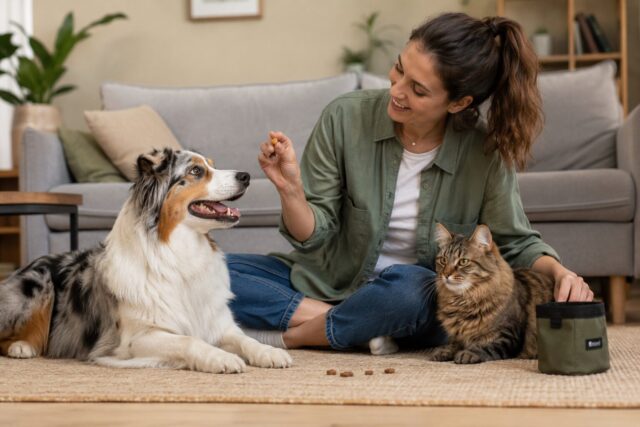
Why Pet Training At Home Matters
Pet training at home is not just about obedience. It is about safety, confidence, and a better daily life for both you and your furry baby. A trained pet is easier to manage, less anxious, and more likely to understand what you want from them.
For dogs, home training can help with basic commands, potty routines, leash manners, crate training, greeting guests, and reducing jumping or barking. For cats, training can help with litter box habits, scratching behavior, carrier comfort, mealtime routines, and simple commands like coming when called.
Training also strengthens the emotional bond between you and your pet. When your pet understands your routine and expectations, they feel more secure. That security matters. A confused pet often acts out because they do not know what is expected. A pet with clear guidance usually becomes calmer and more cooperative.
This is also where love and memory come in. Every little milestone, from a puppy learning to sit to a senior cat responding to their name, becomes part of your life together. Many Love Furry Babies customers love turning those special moments into custom pet portraits or keepsakes from the Etsy shop because pets are not just animals. They are family.
Internal link suggestion: Link the phrase “custom pet portraits” to your Etsy custom pet portrait listing or shop page.
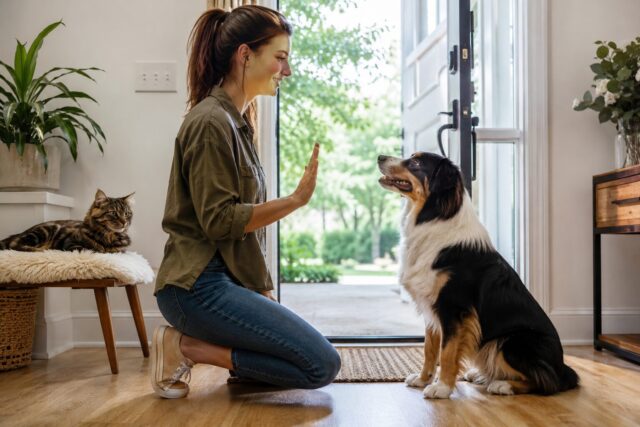
Start With One Training Goal At A Time
The biggest mistake pet parents make is trying to fix everything at once. One day they want the dog to stop jumping, stop barking, walk perfectly, come when called, and stop stealing socks. That is too much. Pets learn faster when training is focused.
Choose one goal first. If your dog jumps on guests, start there. If your cat scratches furniture, start there. If your puppy has potty accidents, make that your first priority. Once your pet understands one behavior, you can move to the next.
Training works best when the goal is specific. “Be good” means nothing to a pet. “Sit before getting a treat” is clear. “Use the scratching post instead of the sofa” is clear. “Go to your bed when the doorbell rings” is clear.
Keep sessions short. Five to ten minutes is usually enough. Long sessions can frustrate both you and your pet. Short, happy sessions repeated daily are far more effective than one long session that ends with everyone annoyed.
The truth is simple. If training feels like a battle, the plan is probably too complicated. Make the lesson smaller.
Use Positive Reinforcement Training
Positive reinforcement training means rewarding the behavior you want so your pet is more likely to repeat it. This is one of the most effective methods for dog training at home and cat training tips because it teaches through motivation instead of fear.
Rewards can be small treats, praise, toys, gentle petting, or access to something your pet enjoys. Food rewards often work best in the beginning because they are clear and immediate. For pets with sensitive stomachs, use tiny pieces and avoid rich foods that can cause upset.
The timing matters. Reward the behavior the second it happens. If you ask your dog to sit and they sit, reward immediately. If your cat steps onto the scratching post instead of the furniture, reward immediately. Waiting too long makes the lesson unclear.
Never punish your pet after the fact. If you find a potty accident later or notice scratched furniture after it happened, your pet will not connect your anger to the behavior. They may only learn that you are unpredictable. That damages trust and does not solve the problem.
Correction should be calm and immediate. Redirect the behavior and reward the better choice. For example, if your puppy chews a shoe, calmly trade the shoe for a chew toy. If your cat scratches the couch, guide them to the scratching post and reward them when they use it.
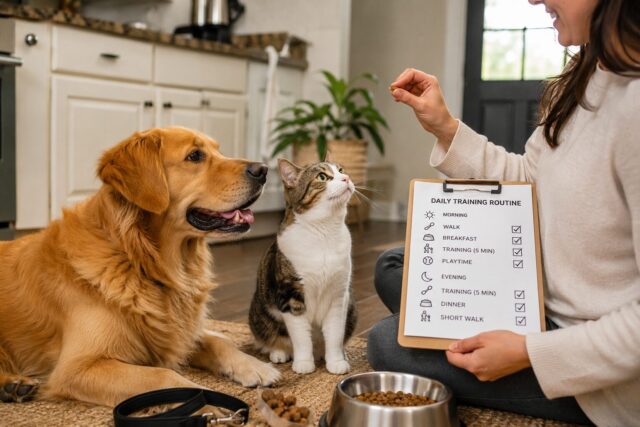
Build A Simple Daily Training Routine
Pets learn through repetition. That does not mean drilling them all day. It means using normal daily moments as training opportunities.
Before feeding, ask your dog to sit. Before opening the door, ask for calm. Before giving a toy, ask for a simple command. With cats, reward calm carrier exploration, scratching post use, or coming when called.
A good training routine should include exactly these five simple habits:
- Train at the same time each day when possible.
- Keep sessions short and positive.
- Use the same words for the same commands.
- Reward quickly when your pet gets it right.
- End the session before your pet gets tired or frustrated.
Consistency is what makes pet obedience possible. If one person allows jumping and another person scolds it, your pet will stay confused. Everyone in the home should use the same words, rules, and rewards.
This is where a printable pet routine tracker can be useful. A simple chart helps you track potty breaks, training sessions, feeding times, behavior progress, and small wins. If you sell or plan to sell pet planners, training charts, or printable pet care pages in your Etsy shop, this topic is a natural place to mention them.
Internal link suggestion: Link the phrase “printable pet routine tracker” to a relevant Etsy listing once available.
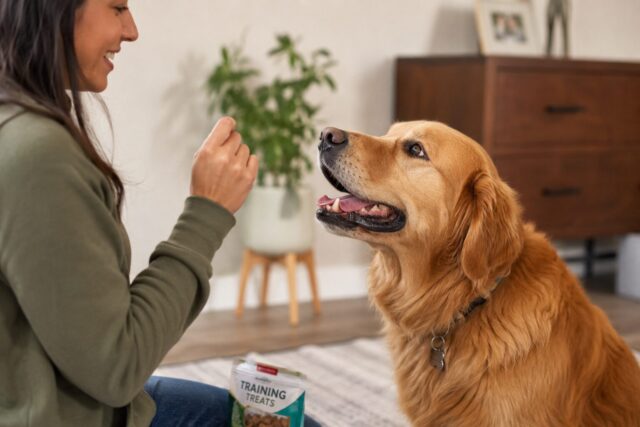
Step One: Teach Name Recognition
Before your pet can learn commands, they need to understand that their name matters. Name recognition is the foundation for training your pet at home.
Say your pet’s name in a happy voice. When they look at you, reward them. Do not repeat their name over and over if they ignore you. Instead, make a small sound, show a treat, or gently encourage attention. When they look at you, reward immediately.
Do this in a quiet room first. Once your pet responds reliably, practice in different areas of the home. Then practice with mild distractions. Dogs usually pick this up quickly, but cats can learn it too. The key is making their name mean something good.
Do not use your pet’s name when you are angry. If their name becomes associated with trouble, they may stop responding. Keep their name positive, warm, and rewarding.
Step Two: Teach Basic Commands
For dogs, the best first commands are sit, stay, come, down, and leave it. These commands are practical because they help with safety and daily manners.
Start with sit. Hold a small treat near your dog’s nose, slowly move it upward, and most dogs naturally lower their bottom. The moment they sit, say “sit” and reward. Repeat until the word and action connect.
For come, use a cheerful voice and reward generously when your pet comes to you. Never call your pet to you for punishment. If coming to you leads to something unpleasant, they will stop coming when called.
For cats, start with simple behaviors like coming when called, touching a target, entering a carrier, or sitting on a mat. Cat training works best when rewards are high value and sessions are very short. Many cats prefer treats, soft praise, or play rewards.
The point is not to turn your pet into a robot. The point is to build communication. Every command your pet learns makes life safer and less stressful.
Step Three: Practice Potty And Litter Box Success
Potty training and litter box training are some of the most searched pet behavior topics because accidents are stressful. The solution is usually routine, supervision, and cleaning the right way.
For puppies, take them outside after waking, after eating, after playing, and before bedtime. Praise and reward immediately when they go in the right place. Do not wait until you get back inside. The reward needs to happen right after the success.
If your puppy has an accident, clean it with an enzyme cleaner. Regular cleaners may not remove the scent fully, and lingering scent can invite repeat accidents.
For cats, keep the litter box clean and easy to access. Some cats dislike covered boxes, strong fragrances, or certain litter textures. If a cat suddenly stops using the litter box, do not assume they are being bad. A sudden change can be caused by stress, pain, urinary issues, or box discomfort. When behavior changes suddenly, a vet check is the smart move.
This is also a good place to remind pet parents that patience matters. Accidents do not mean failure. They mean the routine needs adjusting.
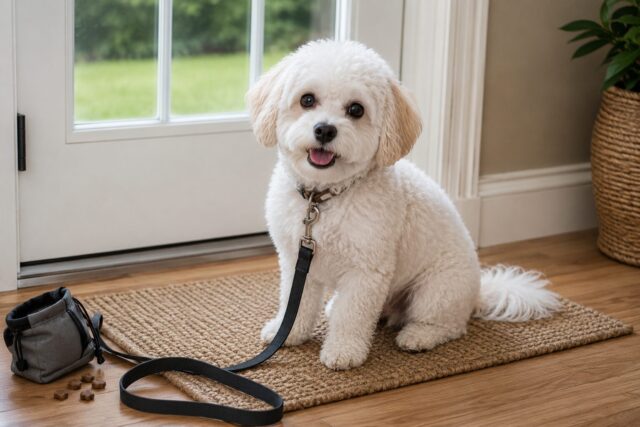
Step Four: Train Calm Leash And Door Manners
Leash training is one of the best things you can teach a dog because it affects daily safety. A dog who pulls hard can hurt themselves or their owner. A dog who bolts through doors can run into danger.
Start indoors or in your yard. Let your dog wear the leash and reward calm walking near you. If your dog pulls, stop walking. When the leash loosens, move again. This teaches that pulling does not get them where they want to go.
For door manners, practice calm waiting. Ask your dog to sit before the door opens. Open it slightly. If they rush forward, calmly close it and try again. Reward when they remain calm.
Cats can also learn carrier and harness comfort, but you must go slowly. Leave the carrier out with a soft blanket inside. Reward your cat for exploring it. Do not only bring the carrier out before stressful vet visits. That teaches your cat to fear it.
Internal link suggestion: Link the phrase “calm anxious pet naturally” to your blog post about calming anxious pets at home.
Step Five: Redirect Bad Habits Without Drama
Bad habits are usually normal pet behaviors happening in the wrong place. Chewing, scratching, barking, digging, and jumping are not random acts of rebellion. They usually mean your pet needs exercise, attention, structure, or a better outlet.
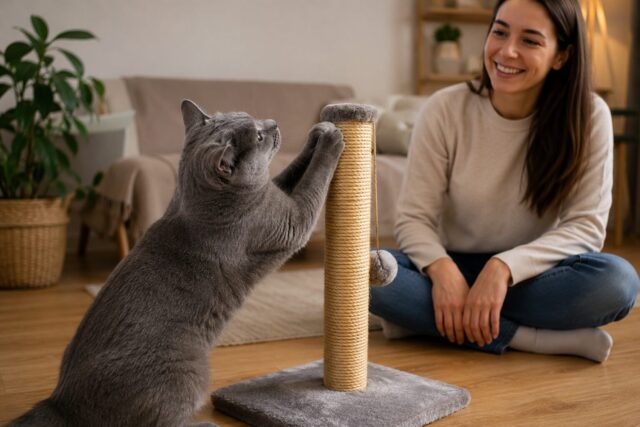
If your dog chews furniture, offer safe chew toys and limit access when unsupervised. If your cat scratches the couch, provide sturdy scratching posts near the problem area. If your dog barks at every sound, teach a quiet cue and reward calm behavior.
Yelling may stop a behavior for a moment, but it rarely teaches the pet what to do instead. Training needs a replacement behavior. Do not only say “no.” Show your pet the correct choice and reward it.
This is where many pet parents lose patience. They expect one correction to work forever. That is unrealistic. Your pet needs repetition until the new habit becomes easier than the old one.
A personalized pet portrait can also be a sweet reward for the human side of training. When your furry baby reaches a milestone, such as graduating from puppy basics or learning better house manners, celebrating that progress makes the journey feel special.
Common Pet Training Mistakes To Avoid
Do not train when you are angry. Your pet can sense frustration, and anger makes training harder.
Do not use too many words. Simple commands work best. “Sit” is clearer than “come on, sit down right now, please stop jumping.”
Do not reward accidentally. If your dog barks and you immediately give attention, they may learn that barking works. If your cat paws at you and gets treats every time, they may repeat it more.
Do not expect cats and dogs to learn the same way. Dogs often work harder for praise and direction. Cats usually need stronger motivation and more control over the experience.
Do not quit too soon. Many behaviors take days, weeks, or even months to become reliable. Progress is still progress, even when it feels slow.
How Long Does Pet Training At Home Take?
Pet training at home depends on your pet’s age, personality, history, and the behavior you are teaching. A young puppy may learn sit quickly but take longer with potty training. An older rescue dog may need extra time to build trust. A cat may learn carrier comfort slowly, but that slow progress still matters.
Most simple commands can improve within a few days of consistent practice. More complex behavior issues, such as leash pulling, separation anxiety, or fear of guests, often take longer.
The honest answer is that training never fully ends. It becomes part of daily life. You reinforce good habits, adjust routines, and keep communication clear. That is not a burden. It is part of loving a pet well.
FAQ About Training Your Pet At Home
What Is The Best Age To Start Training A Pet?
Start as early as possible, but it is never too late. Puppies and kittens can begin simple routines right away. Adult pets can also learn new behaviors with patience and consistency.
Can Cats Really Be Trained At Home?
Yes. Cats can learn name recognition, carrier comfort, litter box routines, scratching post use, and simple commands. Cat training works best with short sessions and rewards your cat actually values.
How Many Minutes A Day Should I Train My Pet?
Most pets do well with five to ten minutes once or twice a day. Short sessions are better than long sessions because pets stay focused and less frustrated.
What Should I Do If My Pet Refuses To Listen?
Make the lesson easier. Use better rewards, reduce distractions, and check your timing. If your pet suddenly refuses commands they already knew, consider stress, pain, fear, or a change in routine.
Are Treats Required For Pet Training?
Treats are not always required, but they are very helpful at the beginning. Over time, you can use praise, toys, play, and life rewards, such as going outside or getting attention.
Final Thoughts On Pet Training At Home
Pet training at home is not about perfection. It is about building trust, creating routines, and helping your dog or cat feel safe, loved, and understood. The best training is patient, consistent, and kind. It teaches your pet what to do instead of only punishing what went wrong.
Start with one goal. Keep the sessions short. Reward the behavior you want. Celebrate small wins. Those small wins become a calmer home, a stronger bond, and a happier life with your furry baby.
If you love celebrating your pet’s personality, milestones, and memories, visit the Love Furry Babies Etsy shop for custom pet portraits, pet keepsakes, coloring pages, and thoughtful gifts for pet lovers. And if you are remembering a beloved pet who has crossed the Rainbow Bridge, Paws Beyond the Rainbow offers a gentle way to honor the love that never leaves you.
👉 Shop here: https://www.etsy.com/shop/LoveFurryBabies
💌 Monthly newsletter launches the 1st with tips, fun facts and announcements:
https://preview.mailerlite.io/forms/2009060/175253019353416926/share
