

 When your dog trembles during a storm or your cat hides every time guests arrive, it can make you feel helpless. Learning how to calm an anxious pet naturally at home gives you a practical way to help your furry baby feel safer, more secure, and more loved without immediately reaching for harsh solutions.
Pet anxiety is real. Dogs and cats can feel stress from loud noises, separation, new people, changes in routine, travel, vet visits, moving, grief, boredom, or past trauma. Some pets show anxiety loudly through barking, whining, pacing, or destructive behavior. Others show it quietly by hiding, refusing food, overgrooming, freezing, or avoiding touch.
🎥 Watch the video version here: https://youtu.be/52mKrkHaDiU
The goal is not to force your pet to “get over it.” That does not work. The goal is to create a calmer environment, build trust, reduce triggers, and help your pet feel in control of their space again.
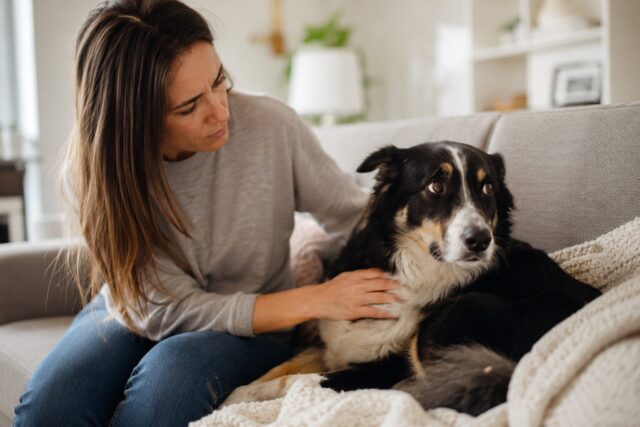
Common Signs Your Pet May Be Anxious
Pet anxiety does not always look dramatic. Some anxious pets act clingy. Others withdraw. Some become destructive, while others become unusually still. The key is knowing what is normal for your pet and noticing changes.
A dog may pace, pant, shake, bark excessively, chew furniture, scratch doors, follow you from room to room, refuse to settle, or have accidents indoors. A cat may hide under furniture, avoid the litter box, hiss, stop eating, groom too much, or become unusually aggressive.
Here are 5 common signs of pet anxiety to watch for:
- Pacing, trembling, hiding, or refusing to relax
- Excessive barking, whining, meowing, or destructive chewing
- Loss of appetite, upset stomach, or sudden bathroom accidents
- Clinginess, separation anxiety, or panic when left alone
- Overgrooming, scratching, licking, or sudden changes in behavior
If these signs are new, severe, or getting worse, do not assume it is only anxiety. Pain, illness, dental problems, arthritis, vision changes, thyroid issues, urinary problems, and digestive trouble can all change behavior. A vet check is the smart first step when anxiety appears suddenly.
How to Calm an Anxious Pet Naturally at Home With a Safe Routine
A predictable routine is one of the most effective natural ways to calm pets. Animals feel safer when they know what comes next. Feeding time, potty breaks, walks, play sessions, bedtime, and quiet time should be as consistent as possible.
This does not mean your schedule must be perfect. It means your pet should have a rhythm they can trust. Morning potty break. Breakfast. Walk or play. Rest. Evening attention. Bedtime. Simple routines reduce uncertainty, and uncertainty is one of the biggest anxiety triggers for pets.
For dogs, a calm daily walk can do more than burn energy. It gives them mental stimulation, scent exploration, and structure. For cats, short daily play sessions with feather toys, tunnels, scratching posts, and climbing spaces can reduce nervous energy and boredom.
Internal link suggestion: Link to a Love Furry Babies blog post about pet enrichment, dog behavior, or cat behavior.
Create a Calm Space Your Pet Can Retreat To
Every anxious pet needs a safe place. This is not punishment. It is their comfort zone.
For a dog, that may be a crate with the door open, a cozy bed in a quiet corner, or a blanket in your bedroom. For a cat, it may be a covered bed, a tall cat tree, a soft blanket in a closet, or a quiet room away from noise.
Make the space inviting with familiar scents, soft bedding, and low stimulation. Do not drag your pet out of their safe space when they are scared. That destroys trust. Let them choose when to come out.
If your pet is afraid of storms, fireworks, vacuum cleaners, or guests, prepare the calm space before the trigger begins. Close the curtains. Turn on soft music or white noise. Keep the lights gentle. Offer a favorite blanket or toy.
A cozy pet blanket, calming bed, lick mat, puzzle toy, or treat-filled enrichment toy can be useful here. These are natural comfort tools because they help redirect nervous energy and give your pet something soothing to focus on.

Use Gentle Touch, But Only If Your Pet Wants It
Touch can calm an anxious pet, but only when the pet welcomes it. Some dogs want pressure, cuddling, or slow strokes. Some cats want quiet closeness but not direct handling. Others need space before they can accept comfort.
Do not chase, grab, hover over, or force affection. That can make anxiety worse. Instead, sit nearby and let your pet come to you. Use a soft voice. Move slowly. Avoid direct staring, especially with nervous cats.
For dogs, slow strokes along the chest, shoulders, or back can be calming. Some dogs respond well to a snug anxiety wrap. For cats, gentle cheek scratches or soft petting near the head may help, but only if the cat is seeking contact.
Your energy matters too. Pets read body language. If you panic, hover, or keep repeating “it’s okay” in a tense voice, your pet may feel even more worried. Calm behavior from you helps your pet believe the situation is manageable.
Try Natural Calming Sounds and Scents Carefully
Soft background sound can help mask stressful noises. White noise, gentle music, a fan, or a calming pet playlist may help during storms, fireworks, construction, or neighborhood noise.
Scent can also affect mood, but this is where pet owners must be careful. Essential oils are not automatically safe for dogs and cats. Cats are especially sensitive to many oils. Some oils can irritate the lungs, skin, or digestive system. Never apply essential oils directly to your pet, and do not diffuse oils in a closed room where your pet cannot leave.
A safer approach is to use pet-specific calming pheromone products designed for dogs or cats. These may help some pets feel more secure at home. Results vary, but they can be worth trying for mild stress, especially when paired with routine, enrichment, and a safe space.
Natural does not mean risk-free. If a product goes in your pet’s mouth, on their skin, or into the air they breathe, treat it seriously.
Give Your Pet Mental Enrichment Every Day
Boredom makes anxiety worse. A pet with nothing to do may focus more on every sound, every absence, and every change in the home. Enrichment gives their brain a job.
Dogs often benefit from sniff walks, puzzle feeders, lick mats, stuffed toys, basic training games, hide-and-seek treats, and calm chewing options. Cats benefit from wand toys, food puzzles, window perches, climbing shelves, scratching posts, tunnels, and hunting-style play.
The best enrichment does not overstimulate your pet. You are not trying to hype them up. You are trying to give them a healthy outlet.
For dogs with separation anxiety, practice short calm departures. Pick up your keys, walk out for a few seconds, and return calmly. Build slowly. Long emotional goodbyes can increase stress. For cats, avoid sudden environmental changes. Add new items gradually and keep core resources such as food, water, litter, and resting spaces predictable.
Internal link suggestion: Link to your Etsy pet planner, printable pet routine tracker, or pet care checklist if available.
Feed Calm Behavior Instead of Rewarding Panic
This is where many pet owners accidentally make anxiety worse. Comfort is good. Reinforcing panic is not.
If your dog barks, jumps, claws, or panics and immediately receives frantic attention, they may learn that panic creates a big reaction. Instead, reward calm moments. When your pet settles, looks relaxed, sits quietly, or chooses their safe space, gently praise them or offer a small treat.
For cats, reward brave behavior without overwhelming them. If your cat comes out while visitors are present, do not rush to pick them up. Let them observe. Toss a treat nearby. Let confidence grow.
Training should never be harsh. Punishment increases fear. Yelling at an anxious pet is ineffective and often damaging. The better strategy is calm redirection, routine, and rewarding the behavior you want repeated.
When Natural Calming Methods Are Not Enough
Natural calming methods are helpful for mild to moderate anxiety, but they are not magic. Severe anxiety needs professional help. If your pet injures themselves, destroys doors or crates, refuses food, urinates from fear, panics when alone, becomes aggressive, or cannot recover after a trigger, call your veterinarian.
Medication is not failure. For some pets, medication or veterinary behavior support is the humane choice. Natural care and medical care can work together. The mistake is waiting until the anxiety becomes a crisis.
Also, be careful with over-the-counter calming supplements. Some are helpful for some pets, but quality varies. Ingredients, dosing, and safety matter. Ask your vet before using calming chews, CBD products, herbs, or supplements, especially if your pet is older, diabetic, pregnant, has liver or kidney issues, or takes medication.
Supporting a Pet Through Grief, Change, or Loss
Pets can grieve too. A dog may search for a companion who passed away. A cat may sleep in old shared spaces. Some pets become quieter, clingier, or less interested in food and play. Changes such as losing another pet, moving homes, or losing a family member can create emotional stress.
During these times, consistency is everything. Keep routines steady. Offer comfort without forcing interaction. Give your pet time.
For pet parents, grief can be just as heavy. If you have lost a beloved furry baby, creating a keepsake can be a healing way to honor their memory. Love Furry Babies offers heartfelt digital pet products, including custom pet portraits and Paws Beyond the Rainbow keepsakes designed for pet parents who want something beautiful, emotional, and personal.
Internal link suggestion: Link to your Paws Beyond the Rainbow memorial keepsake page or a custom pet portrait product page.
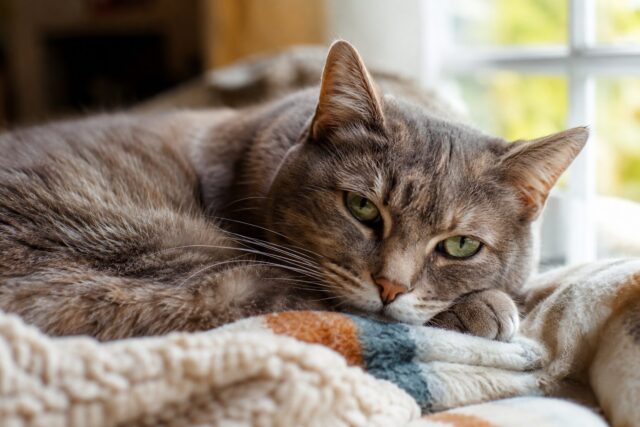
Natural Calming Products That May Help at Home
The best products are not gimmicks. They support calm routines, comfort, and enrichment.
A calming bed can help pets who like soft, secure sleeping spots. A crate cover or quiet den-style bed may help dogs who feel safer in enclosed spaces. Puzzle toys and lick mats can reduce nervous energy. Scratching posts and cat trees give cats control over their environment. Pet-safe pheromone diffusers may help mild stress. Printable pet routine trackers can help owners stay consistent, especially when managing anxiety triggers.
For Love Furry Babies readers, printable pet care pages, pet routine checklists, and custom keepsakes can fit naturally into this topic. A pet anxiety routine tracker could be especially useful as a digital product because pet parents often need help identifying patterns, triggers, and what actually works.
FAQ: Calming an Anxious Pet Naturally at Home
What is the fastest natural way to calm an anxious pet?
The fastest natural method is to reduce stimulation and move your pet to a quiet, familiar space. Use soft lighting, gentle sound, calm body language, and a comforting item such as a blanket, bed, or favorite toy. Do not force touch if your pet wants space.
Can I use essential oils to calm my dog or cat?
Be very careful. Essential oils can be risky for pets, especially cats. Never apply oils directly to your pet, and do not diffuse oils in a closed space where your pet cannot leave. Pet-specific calming products are usually a safer option.
Do calming beds really help anxious pets?
Calming beds can help some pets, especially those who like soft, secure, nest-like spaces. They are not a cure by themselves, but they can support a calming routine when paired with enrichment, predictable schedules, and a safe retreat area.
Should I ignore my pet when they are anxious?
No. Ignoring fear completely can make a pet feel abandoned. The better approach is calm support without frantic attention. Stay nearby, use a relaxed voice, offer safety, and reward calm behavior when it appears.
When should I call the vet for pet anxiety?
Call your vet if anxiety appears suddenly, becomes severe, causes aggression, leads to injury, affects eating or bathroom habits, or prevents your pet from functioning normally. Medical issues can look like anxiety, so a vet check is important.
Conclusion: You Can Calm an Anxious Pet Naturally at Home With Patience and Consistency
Learning how to calm an anxious pet naturally at home starts with understanding, not punishment. Your pet is not being difficult on purpose. They are telling you they feel unsafe, overwhelmed, uncertain, or stressed.
The best natural calming plan is simple: create routine, reduce triggers, offer a safe space, use enrichment, reward calm behavior, and know when professional help is needed. Some pets improve quickly. Others need weeks or months of steady support. That does not mean you are failing. It means your pet needs consistency.
Love Furry Babies is built around the bond between people and their furry babies. Whether you are helping an anxious dog feel safe during storms, giving a nervous cat a peaceful home routine, or honoring a beloved pet through a Paws Beyond the Rainbow keepsake, the heart of it is the same: love, patience, and care that meets them where they are.
👉 Shop here: https://www.etsy.com/shop/LoveFurryBabies
💌 Monthly newsletter launches the 1st with tips, fun facts and announcements:
https://preview.mailerlite.io/forms/2009060/175253019353416926/share
