

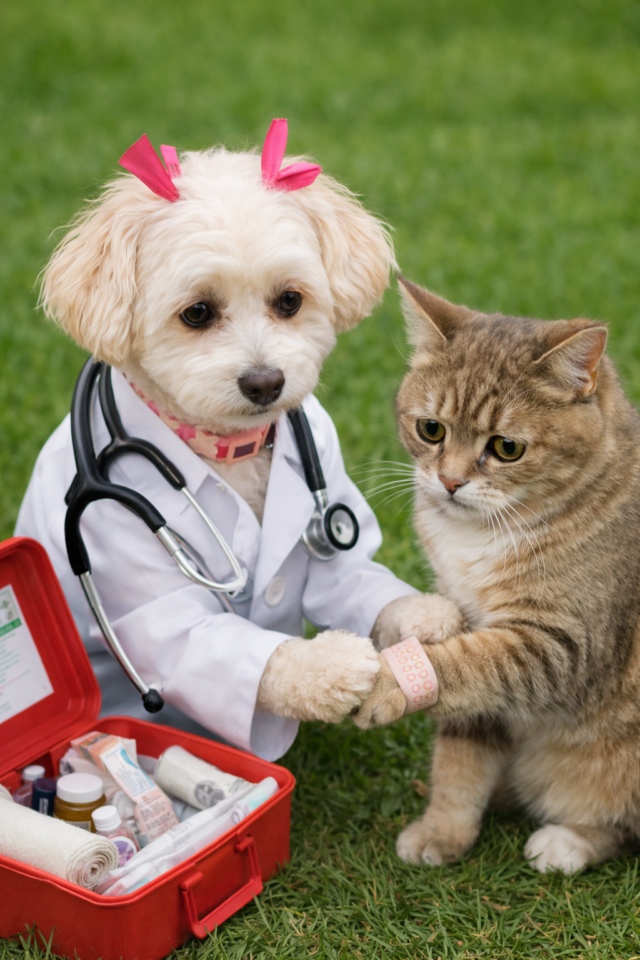
 Canine Fitness Month and Heartworm Awareness Month are the perfect reminder that good pet care is not only about treats, toys, and cuddles. It is also about preparation. A well stocked pet first aid kit can make a real difference when your dog has a minor injury, gets overheated after exercise, or needs fast support while you contact your veterinarian.
Pet parents often think first aid kits are only for major emergencies. That is wrong. The best dog first aid kit is designed for everyday life. It helps with small cuts, sore paws, insect bites, mild stomach upset guidance from your vet, and those unexpected moments when your dog decides to sprint, jump, and explore a little too hard. During Canine Fitness Month, many families become more active with their dogs. During Heartworm Awareness Month, many are also reviewing preventive pet care and dog wellness routines. That makes this the ideal time to put everything in one place and get organized.
A pet emergency kit is not about panic. It is about peace of mind. When you already have the right supplies, you are more likely to stay calm, think clearly, and help your dog quickly while getting professional care when needed. For active dogs, senior dogs, and even puppies, having the right tools nearby is part of smart pet safety.
Why Every Dog Parent Needs a Pet First Aid Kit
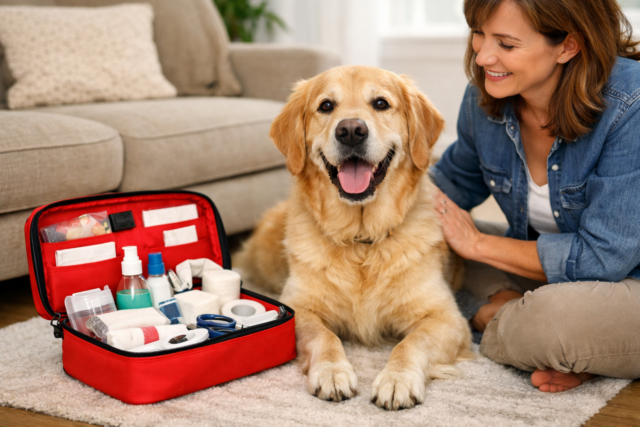
Dogs live with enthusiasm. They run hard, sniff everything, leap before thinking, and sometimes turn an ordinary walk into a full adventure. That is one reason a pet first aid kit is such a smart investment. Whether your dog loves backyard zoomies, neighborhood walks, hiking trails, beach trips, or agility games, small accidents can happen fast.
Canine Fitness Month encourages healthy movement and exercise, which is excellent for weight control, heart health, joint support, mental stimulation, and overall dog wellness. But more activity can also mean more chances for scrapes, sore muscles, torn nails, and irritated paw pads. A dog first aid kit helps you respond quickly to minor issues before they become bigger problems.
Heartworm Awareness Month adds another important layer. Heartworm disease prevention is one of the most important parts of preventive pet care. While a first aid kit does not prevent heartworms, it does support your overall pet health checklist. A prepared pet parent keeps records, stays up to date on heartworm prevention for dogs, and knows where key medical information is stored in case of an emergency.
The goal is simple. Build one kit for home, then make a smaller version for your car or travel bag. That way, whether you are heading to the park, visiting family, or taking a weekend trip, your pet emergency kit goes with you.
What to Put in a Dog First Aid Kit
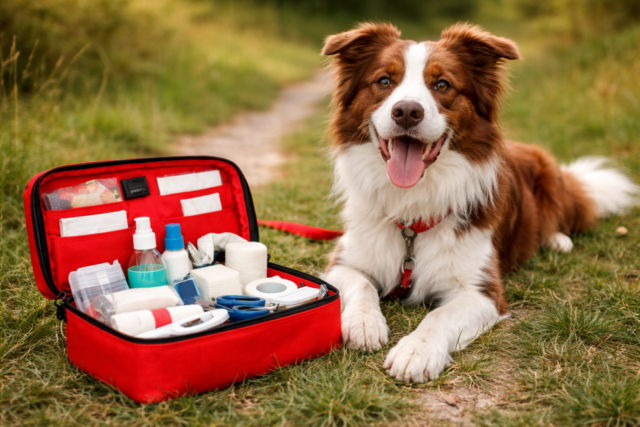
A good pet first aid kit should be practical, organized, and easy to carry. You do not need to overcomplicate it, but you do need the basics. Start with a sturdy container that seals well and is easy to grab in a hurry. Then stock it with supplies that help you handle common minor pet injuries until you can speak with your veterinarian.
Here are five must have items to include in your pet first aid kit:
- Gauze pads, nonstick bandages, and self adhesive wrap for minor cuts or paw injuries
- Digital thermometer, blunt tip scissors, tweezers, and disposable gloves
- Saline solution or pet safe wound rinse for cleaning dirt and debris
- Emergency contact list with your veterinarian, nearest emergency vet, and poison helpline
- Medical records including medications, vaccine details, allergies, and heartworm prevention schedule
Those basics give you a strong start, but you can make your dog first aid kit even better with a soft muzzle, towel, flashlight, instant cold pack, clean leash, collapsible water bowl, and a pet safe blanket. Add a tick remover if you live in an area where ticks are common. A simple notebook is also useful for writing down symptoms, times, medication instructions from your vet, or changes you notice during recovery.
One important warning matters here. Do not throw random human medications into your pet first aid kit. Many over the counter medicines that seem harmless to people can be dangerous for dogs. Always ask your veterinarian before including any oral medication, cream, or antiseptic product in your kit.
How Canine Fitness Month Connects to First Aid and Dog Wellness
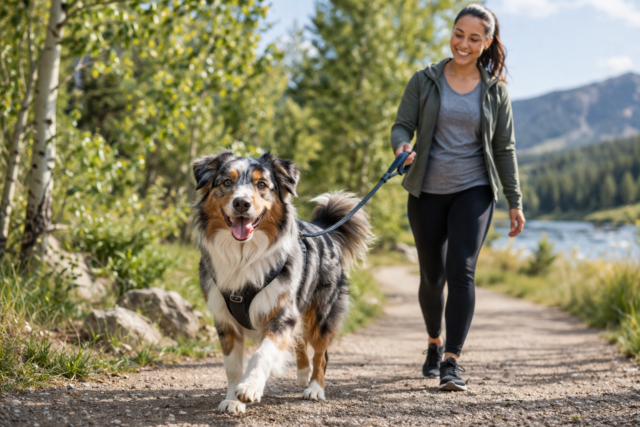
Canine Fitness Month is a great time to get dogs moving in safe, healthy ways. Exercise helps maintain a healthy weight, supports mobility, improves behavior, and strengthens the bond between dogs and their people. But fitness should be approached with common sense, not weekend warrior energy.
If your dog has been mostly sedentary, suddenly adding long walks, fetch marathons, or intense play sessions is not smart. That is how strains, overheating, and paw irritation happen. Start slow. Build endurance over time. Watch how your dog moves before, during, and after activity.
This is where your pet first aid kit supports dog wellness. If your dog gets a small scrape from a trail, a cracked nail after running, or an irritated paw pad from hot pavement, you already have the supplies ready. Just as important, your kit serves as a reminder that physical activity and pet safety go together.
Think of fitness as part of a bigger pet health checklist. Healthy movement, fresh water, balanced nutrition, regular checkups, and parasite prevention all work together. A strong, active dog still needs thoughtful care behind the scenes. Being prepared does not make exercise scary. It makes it safer and more enjoyable.
For senior dogs, low impact exercise like short walks, gentle stretching, and controlled play can be incredibly beneficial. For puppies, supervised activity with rest breaks is key. For high energy dogs, variety helps. Mix walks with sniff sessions, puzzle games, and structured play so they stay active without overdoing repetitive strain.
Why Heartworm Awareness Month Matters for Every Dog
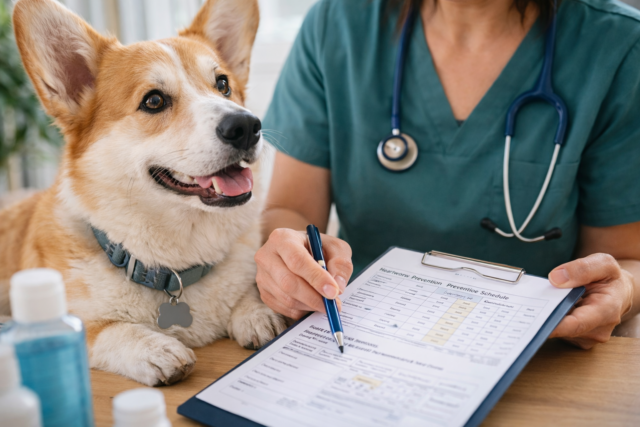
Heartworm Awareness Month is not just another seasonal reminder. It is a serious call to action. Heartworm disease can be dangerous, expensive to treat, and in some cases life threatening. The most effective strategy is prevention, not treatment.
Heartworms are spread by mosquitoes, which means dogs do not have to hike deep in the woods to be at risk. A backyard, neighborhood, or short evening walk can be enough exposure. That is why heartworm prevention for dogs should be consistent and taken seriously. Skipping doses, forgetting refill dates, or assuming indoor dogs are safe is careless pet care.
Your pet first aid kit can help support better habits here. Include a card or printed record showing your dog’s monthly heartworm medication schedule, the date of the last dose given, and when the next veterinary heartworm test is due. This turns your pet emergency kit into more than a box of supplies. It becomes part of your preventive pet care system.
Heartworm Awareness Month is also a good time to check your flea and tick prevention plan, review your vet records, and make sure your dog is current on routine health care. Prepared pet parents do not leave these details to memory. They document them.
If you have multiple dogs, keep each dog’s information clearly labeled. Different ages, sizes, and medical histories matter. What is correct for one dog may not be correct for another.
How to Store, Maintain, and Use Your Pet Emergency Kit
A neglected first aid kit is almost as bad as having no kit at all. Once you build your dog first aid kit, you need to maintain it. Check expiration dates every few months. Replace used items right away. Make sure bandages are clean, supplies are sealed, and records are updated.
Store your main kit in an easy to reach place, not buried in a closet behind holiday decorations. If you travel often, keep a second compact pet travel first aid kit in your vehicle. This is especially useful during warmer months when outdoor adventures pick up and mosquitoes become more active.
It also helps to learn a few basic pet first aid skills. Know how to safely clean a small wound, how to check gum color, how to look for overheating, and when a problem is beyond home care. First aid is for immediate support, not for replacing veterinary treatment. If your dog is struggling to breathe, collapses, has severe bleeding, possible poisoning, or signs of heatstroke, contact a veterinarian immediately.
Preparedness is an act of love. Dogs trust us completely. They count on us to keep them safe, notice when something is wrong, and step in when they need help. A well stocked pet first aid kit is one of the easiest ways to become a more confident, responsible pet parent.
During Canine Fitness Month, commit to healthy activity that matches your dog’s age and ability. During Heartworm Awareness Month, tighten up your prevention routine and keep records where you can actually find them. Together, these steps create a stronger foundation for lifelong pet health.
A happier, healthier dog is not built on luck. It is built on daily care, smart habits, and preparation. A pet first aid kit may seem simple, but it supports some of the most important parts of responsible dog ownership: safety, prevention, fitness, and fast action when it matters most.
👉 Shop here: https://www.etsy.com/shop/LoveFurryBabies
💌 Monthly newsletter launches the 1st with tips, fun facts & announcements:
https://preview.mailerlite.io/forms/2009060/175253019353416926/share
