

Every season brings something new for our pets to explore. Fresh smells, new weather, outdoor adventures, and cozy indoor days all create wonderful moments for the animals we love. But each season also introduces hidden dangers that many pet owners never think about until it is too late.
At Love Furry Babies, we believe that informed pet parents create safer, happier homes. Understanding seasonal pet hazards is one of the easiest ways to protect your dog or cat from preventable accidents, illness, and emergency vet visits.
This guide will walk you through some little known seasonal pet dangers, explain why they are risky, and most importantly show you how to keep your furry family members safe all year long.
Why Seasonal Pet Safety Matters
Many pet owners prepare for obvious dangers such as fireworks or antifreeze, but some hazards are far less well known. These hidden risks can appear during everyday activities like gardening, decorating, traveling, or even relaxing indoors.
Veterinarians report that seasonal pet accidents increase during times of weather change, especially spring and winter. Pets naturally explore their environments using their mouths and paws, which means they can encounter harmful substances without realizing it.
Being aware of these risks allows you to create a pet safe home environment while still enjoying everything each season has to offer.
Spring Hazards for Pets
Spring is a beautiful time of renewal, blooming flowers, and warmer weather. It is also the season when many pet poisonings occur.
Toxic Garden Plants
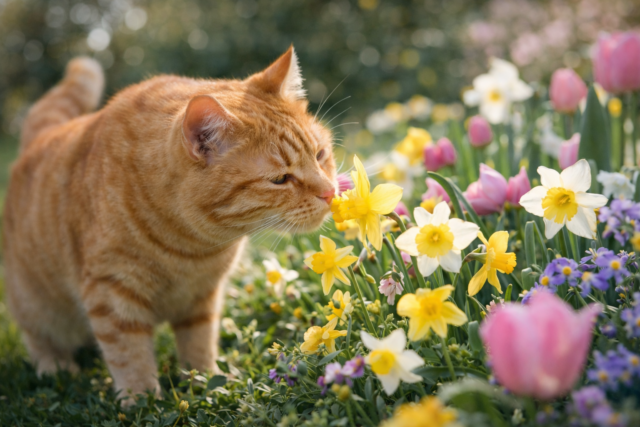
Some of the most popular spring plants are actually toxic to dogs and cats. Tulips, daffodils, lilies, and hyacinths contain compounds that can cause vomiting, drooling, diarrhea, and more severe reactions if ingested.
Cats are especially vulnerable to lilies. Even small exposures such as pollen on their fur can lead to kidney failure.
If you enjoy gardening, research pet safe plants for dogs and cats before planting your flower beds. Safer options include snapdragons, marigolds, petunias, and sunflowers.
Fertilizers and Lawn Chemicals
Many homeowners apply fertilizer, weed killer, or pest control treatments in spring. These products often contain chemicals that can irritate paws or cause poisoning if ingested.
Pets walking across treated grass can lick their paws later and swallow residue.
To reduce risk:
• Keep pets indoors while lawn treatments are applied
• Follow all product safety instructions carefully
• Wait the recommended time before letting pets back onto treated areas
• Store lawn chemicals in sealed containers out of reach
• Consider pet friendly lawn care alternatives whenever possible
Taking these precautions dramatically reduces chemical exposure risks for pets.
Summer Pet Dangers
Warm weather invites outdoor adventures, beach trips, backyard barbecues, and long walks. While summer is a wonderful time for pets and owners alike, it also brings several hazards that are easy to overlook.
Heatstroke in Dogs and Cats
One of the most serious summer risks is pet heatstroke. Dogs cannot cool themselves efficiently in hot temperatures, especially brachycephalic breeds such as bulldogs, pugs, and boxers.
Symptoms of overheating include heavy panting, drooling, vomiting, weakness, or confusion.
Never leave pets in parked cars. Even on mild days, temperatures inside vehicles can climb to dangerous levels within minutes.
To help prevent heat related emergencies:
- Walk dogs during early morning or evening hours
- Provide constant access to fresh water
- Ensure shaded areas are available outdoors
- Avoid hot pavement that can burn paws
- Use cooling mats or fans in warm environments
Backyard BBQ Foods
Summer gatherings often include foods that are unsafe for pets. Common barbecue items like onions, garlic, corn cobs, fatty meats, and chocolate desserts can cause digestive upset or dangerous blockages.
Keep food tables out of reach and remind guests not to feed scraps to your pets.
Fall Hazards Pet Owners Often Miss
Fall is full of cozy activities, pumpkin spice everything, and colorful leaves. Unfortunately, it also introduces a few surprising risks for curious pets.
Decorative Gourds and Pumpkins
While pumpkins themselves are not usually dangerous, decorative gourds can cause stomach upset or blockages if eaten.
Moldy pumpkins are even more concerning. Certain molds produce toxins that can trigger tremors and seizures in dogs.
Dispose of rotting pumpkins promptly and keep decorative displays where pets cannot chew on them.
Fallen Leaves and Mushrooms
Damp piles of leaves create the perfect environment for wild mushrooms to grow. Some mushroom species are highly toxic to pets.
Since it is difficult to identify mushrooms safely, the best approach is to remove them immediately and prevent pets from sniffing or eating anything unusual on walks.
Winter Hazards That Surprise Pet Owners
Cold weather brings its own set of seasonal risks. Some of these dangers occur inside the home, while others happen outdoors during winter travel and icy conditions.
Antifreeze Poisoning
One of the most well known but still common winter emergencies is antifreeze poisoning in pets. Antifreeze contains ethylene glycol, which has a sweet taste that attracts animals.
Even a small amount can cause kidney failure.
Keep antifreeze containers sealed and clean up any spills immediately. If possible, switch to pet safe antifreeze products that use propylene glycol instead.
Ice Melt Chemicals
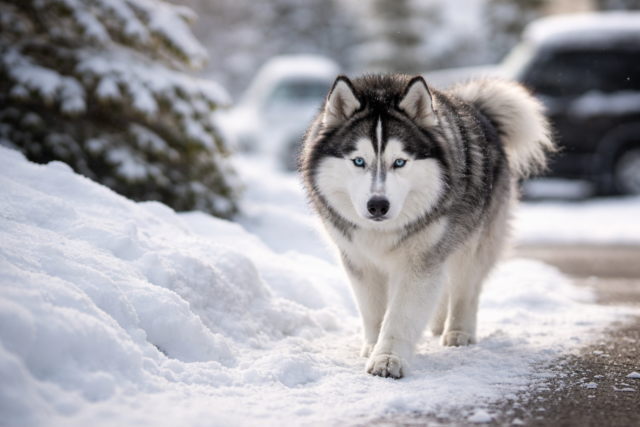
Rock salt and ice melting chemicals can irritate paws and cause stomach upset if pets lick their feet after walks.
Protect your pet by:
- Wiping paws after winter walks
- Using pet safe ice melt products
- Keeping driveways and sidewalks free of chemical buildup
- Checking paws for cracks or irritation
- Providing warm resting areas indoors
These simple steps reduce winter related paw injuries in dogs.
Year Round Household Pet Hazards
Some dangers appear throughout the year regardless of season.
Essential oils, cleaning products, medications, and certain foods are frequent causes of pet poisoning.
Always store household chemicals securely and keep the following foods away from pets:
- Chocolate
- Grapes and raisins
- Xylitol sweetener
- Alcohol
- Macadamia nuts
Maintaining a pet safe home environment requires awareness and small daily habits that prevent accidents.
Simple Ways to Keep Pets Safe All Year
The best defense against seasonal hazards is preparation. Pet owners who stay informed can dramatically reduce the risk of emergencies.
A few good habits include:
- Scheduling regular veterinary checkups
- Researching plants and products before bringing them home
- Supervising pets in unfamiliar environments
- Keeping emergency vet numbers accessible
- Learning basic pet first aid
These simple actions help ensure that your pets enjoy every season safely.
A Safer Season Starts with Awareness
Our pets rely on us to protect them from dangers they cannot understand. By learning about seasonal pet hazards, you can prevent many common accidents before they happen.
Whether it is avoiding toxic plants in spring, protecting paws in winter, or keeping barbecue foods away in summer, small precautions make a big difference in your pet’s safety and well being.
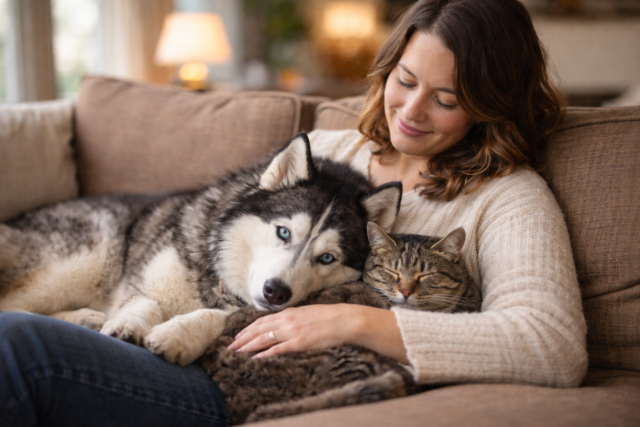
Every season should be filled with joyful moments, playful adventures, and peaceful nights at home with the animals we love.
👉 Sign Up for our Monthly Newsletter: https://preview.mailerlite.io/forms/2009060/175253019353416926/share
At Love Furry Babies, we share helpful tips, pet safety guides, heartwarming stories, and adorable pet inspiration to brighten your inbox each month.
Your furry family members deserve the safest and happiest life possible. And with the right knowledge, you can give them exactly that.
