


Most pet parents do not intentionally leave their pets without care. It usually happens because an ordinary day suddenly becomes an emergency.
A car accident, an unexpected hospital visit, severe weather, or a family crisis can prevent someone from returning home for hours or even days. Meanwhile, a dog may be waiting to go outside, a cat may need medication, and every pet in the home may be running low on fresh water.
An emergency pet check-in plan answers one vital question before panic begins: Who can safely enter your home and care for your pets when you cannot get there?
This is not about expecting the worst. It is about accepting that emergencies can happen to responsible, loving pet owners and making sure their animals are protected when life does not go according to plan.

Why Pets Are Often Forgotten During Human Emergencies
During an emergency, people naturally focus on the person who is injured, sick, stranded, or in danger. Family members may rush to a hospital. Friends may help with transportation. Medical professionals may ask questions about medications, insurance, and emergency contacts.
The pets waiting at home may not be mentioned until several hours later.
Even when someone remembers them, another problem quickly appears. Who has permission to enter the home? Where is the spare key? Will the dog allow a stranger inside? Does anyone know the cat’s hiding place, feeding routine, medications, or veterinarian?
A trusted pet care arrangement should be created before those questions become urgent.
For additional planning guidance, read What Happens If You Cannot Get Home to Your Pet?.
1. A Car Accident Prevents You From Getting Home
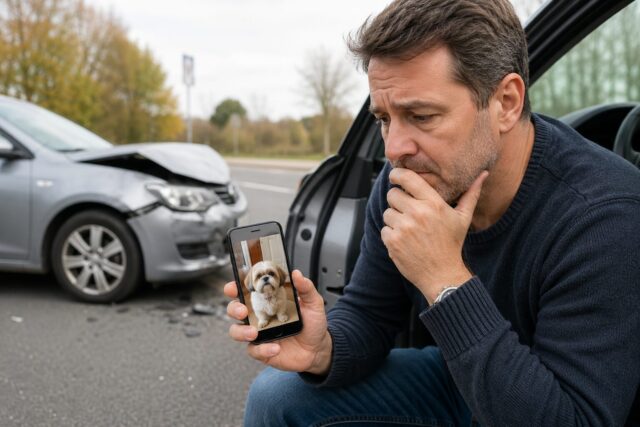
A routine drive to the grocery store, work, or a medical appointment can turn into hours at an accident scene or an unexpected trip to the emergency room.
Even a minor accident can leave you without transportation. Your vehicle may need to be towed, a family member may need to pick you up, or your doctor may recommend observation before you return home.
Your pets do not understand why their schedule has suddenly changed. A dog that normally goes outside every few hours may become uncomfortable or have an accident. A pet with separation anxiety may become distressed. Food and water bowls may be empty by the time you are able to ask for help.
An established Emergency Pet Check-In provider can respond without forcing you to explain your entire household routine while you are already overwhelmed.
2. An Unexpected Hospital Visit Lasts Longer Than Expected
You may leave home expecting to spend one hour at an urgent care center and discover that you need testing, treatment, or hospital admission.
This is especially concerning for people who live alone, older adults, and pet parents whose closest relatives live outside the area. A family member may be able to call and check on you but still be too far away to reach your pets.
Medication schedules make this situation even more serious. Some pets need insulin, seizure medication, heart medication, or carefully timed meals. Missing a dose or feeding could create another emergency at home.
Your emergency pet care instructions should clearly explain what your pet receives, when it is given, where supplies are kept, and which veterinarian should be contacted if something appears wrong.
3. Severe Weather Blocks Roads or Delays Your Return
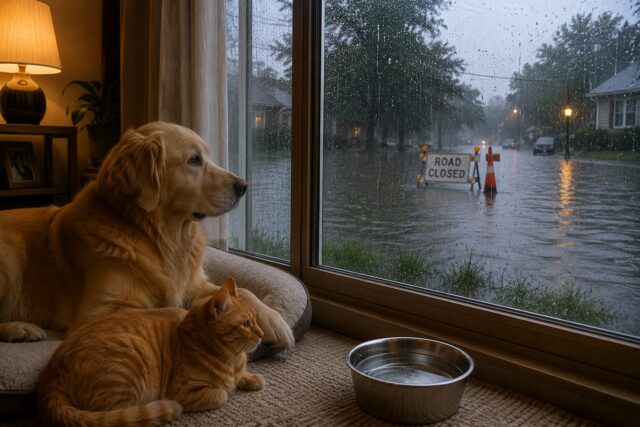
Thunderstorms, flash flooding, tropical weather, fallen trees, and power outages can quickly make local travel unsafe.
You could be at work, visiting family, or running errands when authorities advise drivers to stay off the roads. A twenty-minute trip home could become impossible for several hours.
Severe weather can also frighten pets. Dogs may panic during thunder. Cats may hide in unusual locations. An anxious pet may damage property, attempt to escape, or refuse food and water.
A local provider who is already near your neighborhood may be able to reach your home sooner than a friend or relative traveling from another community. However, no pet care provider should enter unsafe conditions. A good emergency plan includes backup contacts and realistic weather limitations.
4. A Family Member Has an Emergency
When a spouse, parent, adult child, or close friend experiences a crisis, you may need to leave immediately.
You might spend hours in a hospital waiting room or travel unexpectedly to another city. In that moment, remembering every detail about your pet’s routine is unlikely to be your first priority.
This is one reason written pet care information is so valuable. A prepared document can include feeding instructions, medication details, behavioral concerns, veterinary information, emergency contacts, alarm instructions, and the location of essential supplies.
Printable pet organizers and emergency planning pages can help keep this information together. Relevant pet-themed printables and keepsakes are available through the Love Furry Babies Etsy shop.
5. Your Vehicle Breaks Down Far From Home
A flat tire, mechanical problem, dead battery, or towing delay may leave you stranded longer than expected.
Roadside assistance can take hours during busy periods. A repair shop may close before your vehicle is ready. Rideshare transportation may not be available in every area, especially during storms or late at night.
The problem becomes more urgent when you are the only person responsible for your pets. Without a trusted pet sitter for emergencies, you may feel pressured to accept an unsafe ride, rush a repair decision, or ask someone unfamiliar with your pets to enter your home.
An Emergency Pet Check-In arrangement gives you a safer option. Your provider can confirm that your pets are secure, refresh their water, follow feeding instructions, handle a scheduled bathroom break, and send you an update.
6. A Medical Procedure or Appointment Runs Late
Not every emergency begins dramatically. Sometimes a routine appointment simply takes much longer than expected.
A medical procedure may be delayed. Your doctor may order additional tests. Sedation may prevent you from driving. The person who planned to bring you home may be unavailable.
Pet parents often assume they will be back before the next feeding or bathroom break. When that becomes impossible, they begin sending urgent messages to neighbors and friends, hoping someone is available and comfortable entering the home.
Having a prearranged local pet check-in service eliminates much of that uncertainty.

7. You Become Ill or Injured at Home
Emergencies can also happen while you are inside your own home.
A fall, sudden illness, severe migraine, medication reaction, or mobility problem may make it difficult to walk a dog, lift food containers, clean a litter box, or safely handle an energetic pet.
You may be physically present but temporarily unable to provide normal care.
This situation is often overlooked because people assume Pet Check-Ins are only needed when the owner is away. In reality, temporary support can also help pet parents remain safely at home while making sure their animals receive essential care.
What an Emergency Pet Check-In Can Include
The exact service should depend on the pet, the situation, the provider’s policies, and the instructions established during the initial meet-and-greet.
A check-in may include feeding, refreshing water, a bathroom break, cleaning a minor pet-related mess, checking the home for obvious pet safety concerns, administering previously approved routine care, and sending a photo or written update.
It should not be treated as veterinary care, emergency home repair, overnight pet sitting, or a substitute for calling emergency services when a person or animal is in immediate danger.
The most dependable arrangement begins with a meet-and-greet before service is needed. This gives the provider an opportunity to meet your pets, understand the home entry process, review routines, discuss behavioral concerns, and determine whether the service is appropriate.
Pet parents in the Summerville area can learn more by visiting the Love Furry Babies Pet Check-Ins page.
How to Create an Emergency Pet Check-In Plan
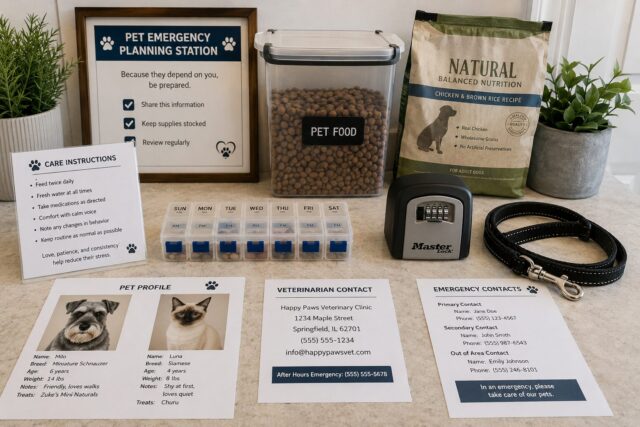
Your emergency pet check-in plan should be simple enough to follow during a stressful situation but detailed enough to protect your pets.
Choose a dependable person or professional provider who lives close enough to respond. Confirm that the person is comfortable with your pets and has permission to enter your home. Do not assume that a neighbor, friend, or relative will automatically be available.
Prepare written instructions that include feeding amounts, medication information, veterinarian details, emergency contacts, behavioral warnings, and the location of leashes, carriers, litter supplies, cleaning products, and food.
Decide how home access will be handled. A hidden key creates security risks, especially if its location is shared through text messages. A secure lockbox, controlled key arrangement, or approved electronic entry method is usually safer.
Your plan should also include a backup. Even a professional provider may be assisting another client, dealing with dangerous weather, or unable to enter because of an unexpected access problem.
Finally, review your information regularly. Phone numbers change, pets develop new medical needs, food locations move, and entry codes are updated.
Frequently Asked Questions About Emergency Pet Check-Ins
What is an Emergency Pet Check-In?
An Emergency Pet Check-In is a prearranged visit from a trusted person or pet care provider when you are unexpectedly unable to return home or temporarily unable to complete essential pet care.
Should I wait until an emergency to contact a provider?
No. Waiting until an emergency is ineffective because the provider may be unavailable, unfamiliar with your pets, or unable to access your home. Complete the meet-and-greet and planning process in advance.
Can an Emergency Pet Check-In provider give medication?
That depends on the medication, the pet, the provider’s experience, and the service agreement. Medication requirements should always be discussed before an emergency occurs.
What information should I leave for my pet care provider?
Provide feeding instructions, medication details, veterinary contacts, behavioral information, emergency contacts, entry instructions, and the location of essential pet supplies.
Are Emergency Pet Check-Ins only for people who live alone?
No. Couples and families can also be delayed, hospitalized, stranded together, or called away because of the same emergency.
Protect Your Pets Before an Emergency Happens
The most dangerous pet care plan is assuming that nothing will happen.
You do not need to live in fear, but you do need a realistic answer to this question: Who will care for your pets if you cannot get home?
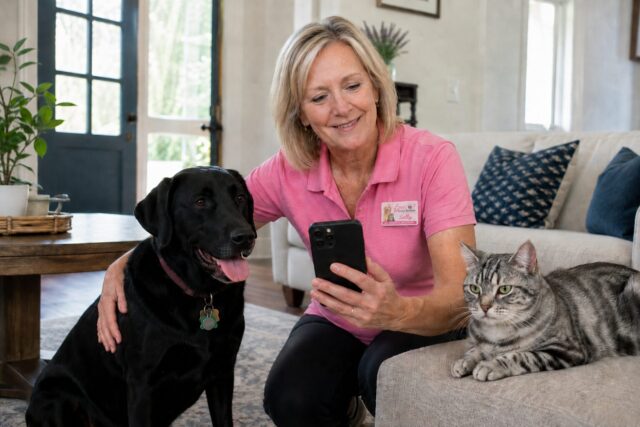
An emergency pet check-in plan gives you that answer. It reduces confusion, protects your pets’ routines, and allows a trusted person to act quickly when you are dealing with an accident, illness, severe weather, transportation problem, or family emergency.
Start by identifying a primary provider, preparing written instructions, arranging secure access, and completing a meet-and-greet. Do it while everything is calm, not while your dog is waiting by the door and you are calling people from an emergency room.

Your pets depend on you every day. Preparing someone trustworthy to step in when you cannot is one of the most responsible and loving decisions you can make.
👉 Shop here: https://www.etsy.com/shop/LoveFurryBabies
💌 Monthly newsletter launches the 1st with tips, fun facts and announcements:
https://preview.mailerlite.io/forms/2009060/175253019353416926/share
