

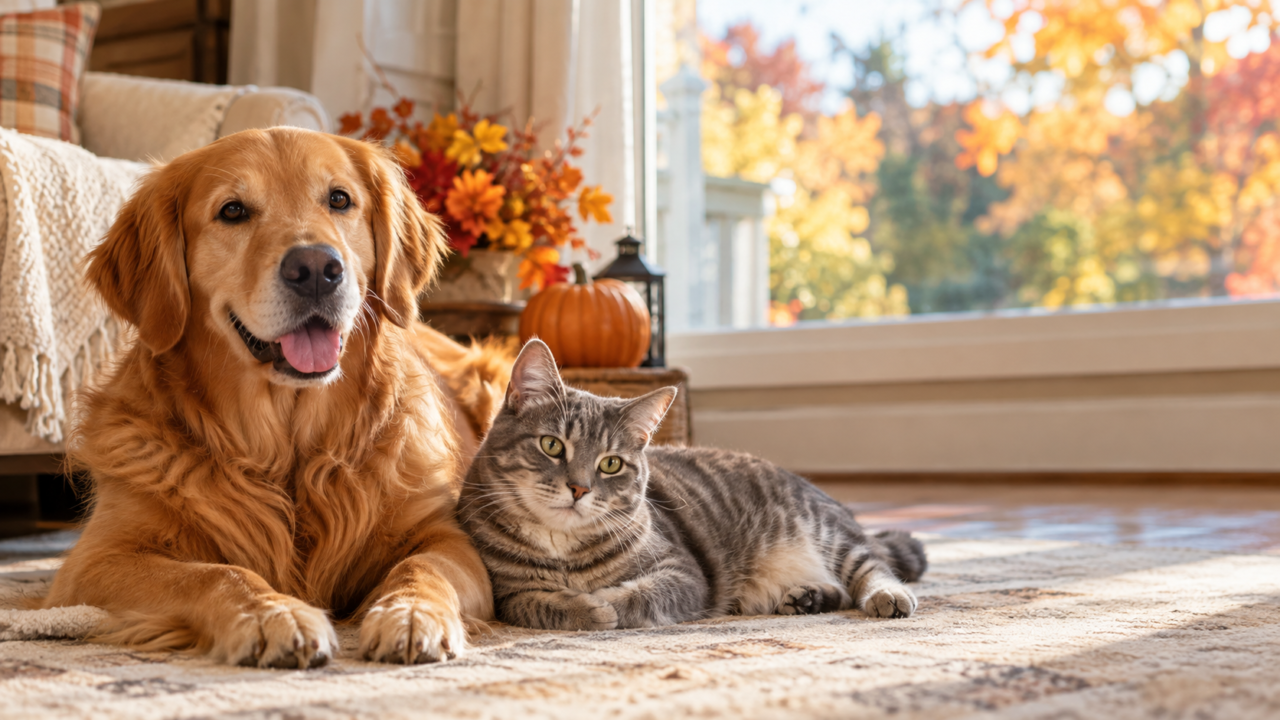
Thanksgiving should be full of happy memories—not an unexpected trip to the emergency veterinarian. With tempting food, visiting relatives, unfamiliar sounds, and doors opening frequently, the holiday can be challenging for dogs and cats. A little planning goes a long way.

1. Keep hazardous holiday foods out of reach
Never offer pets cooked turkey bones, turkey skin, rich gravy, stuffing made with onions or garlic, chocolate desserts, grapes or raisins, alcohol, or products sweetened with xylitol (also called birch sugar). Onions and garlic are toxic to dogs and cats; fatty foods may trigger vomiting, diarrhea, or pancreatitis; and cooked bones can splinter or cause choking and intestinal injuries.
Ask guests not to feed your pets from their plates, and clear unattended food promptly.
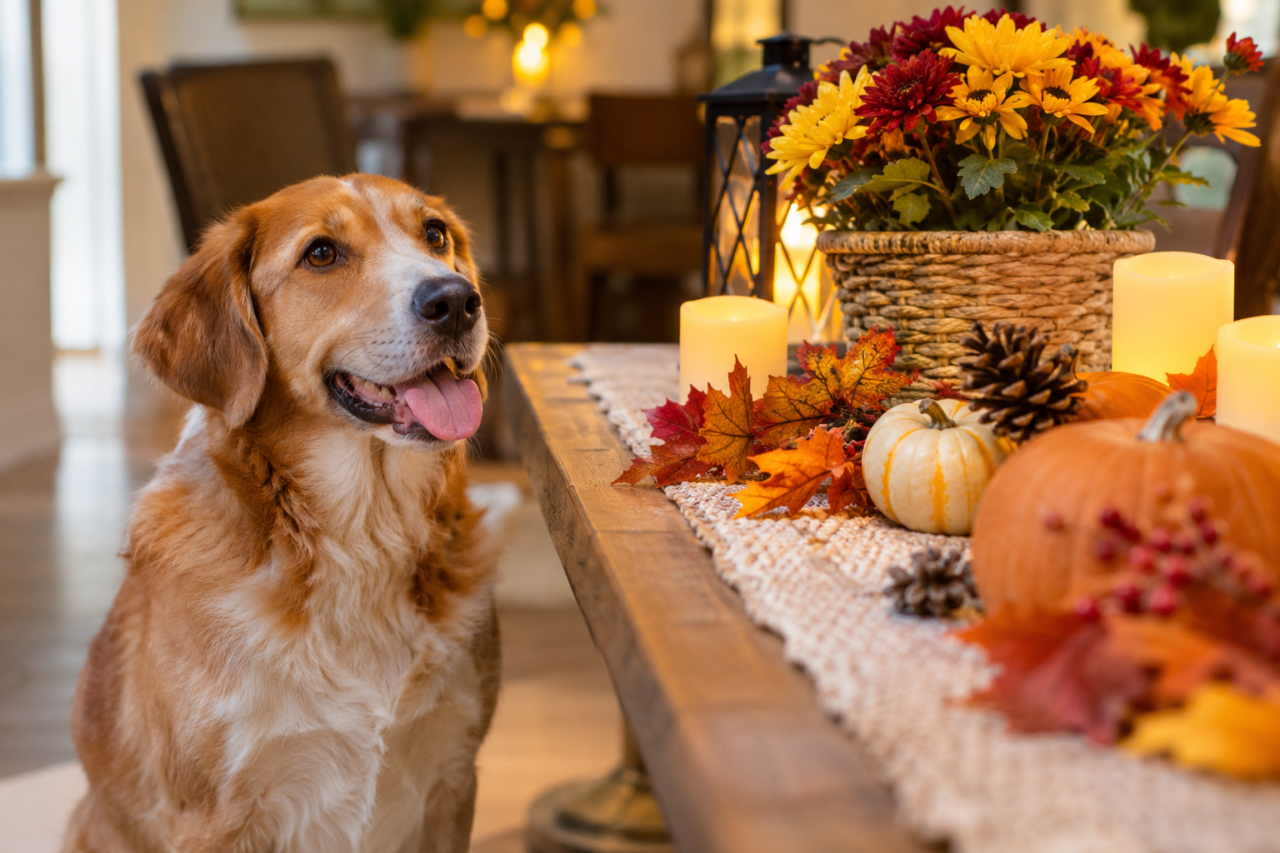
2. Offer a small, pet-safe Thanksgiving treat
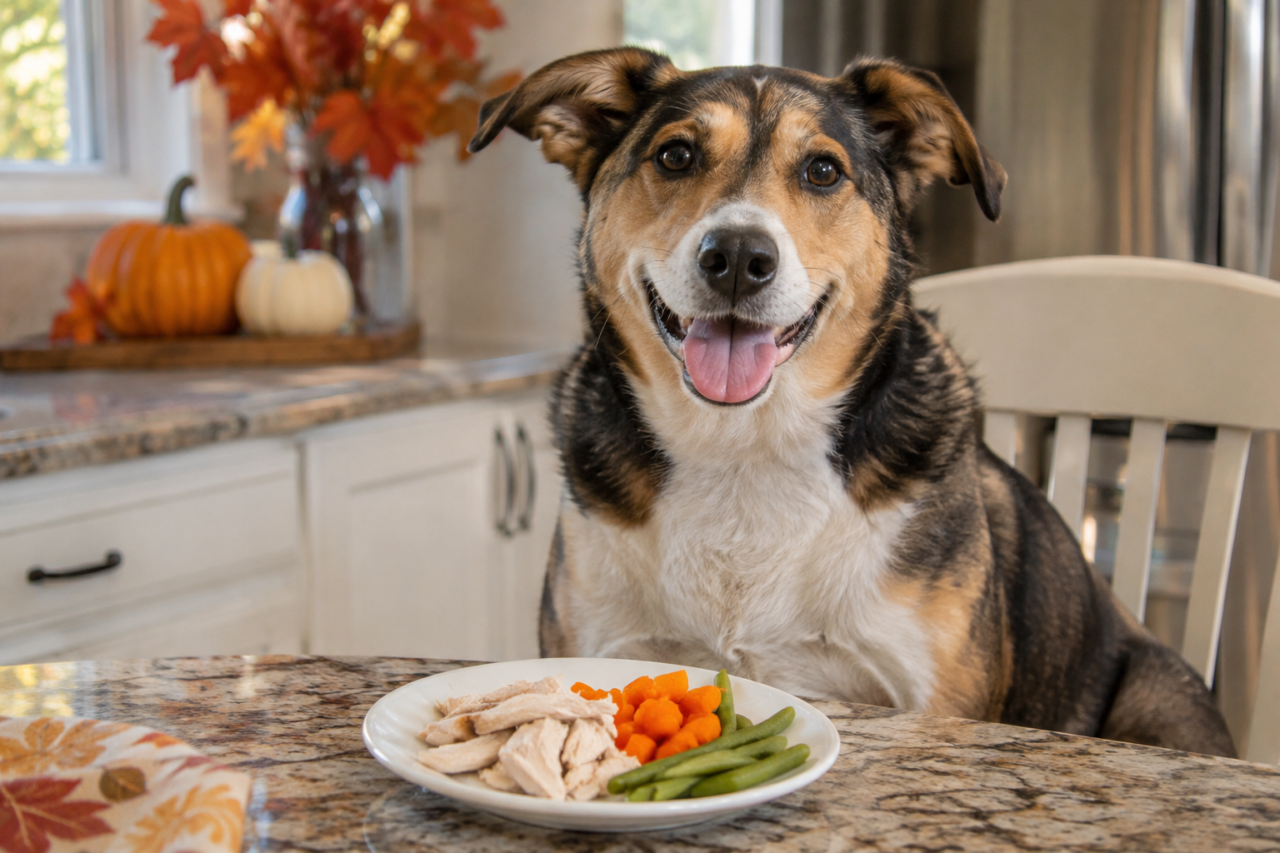
If your pet has no dietary restrictions, a small bite of plain, fully cooked, boneless turkey without skin, seasoning, butter, or gravy may be appropriate. Plain cooked green beans or carrots can also be suitable in small amounts. Introduce nothing new if your pet has a sensitive stomach, allergies, or a veterinarian-prescribed diet. Keep treats modest and provide fresh water.
3. Secure the trash and leftovers
Turkey carcasses, foil, plastic wrap, skewers, and food-soaked napkins can attract curious pets. Use a lidded trash can that your dog cannot open, and move food scraps outside or into a secure cabinet. Store leftovers immediately rather than leaving them on low counters.
4. Create a quiet retreat for anxious pets
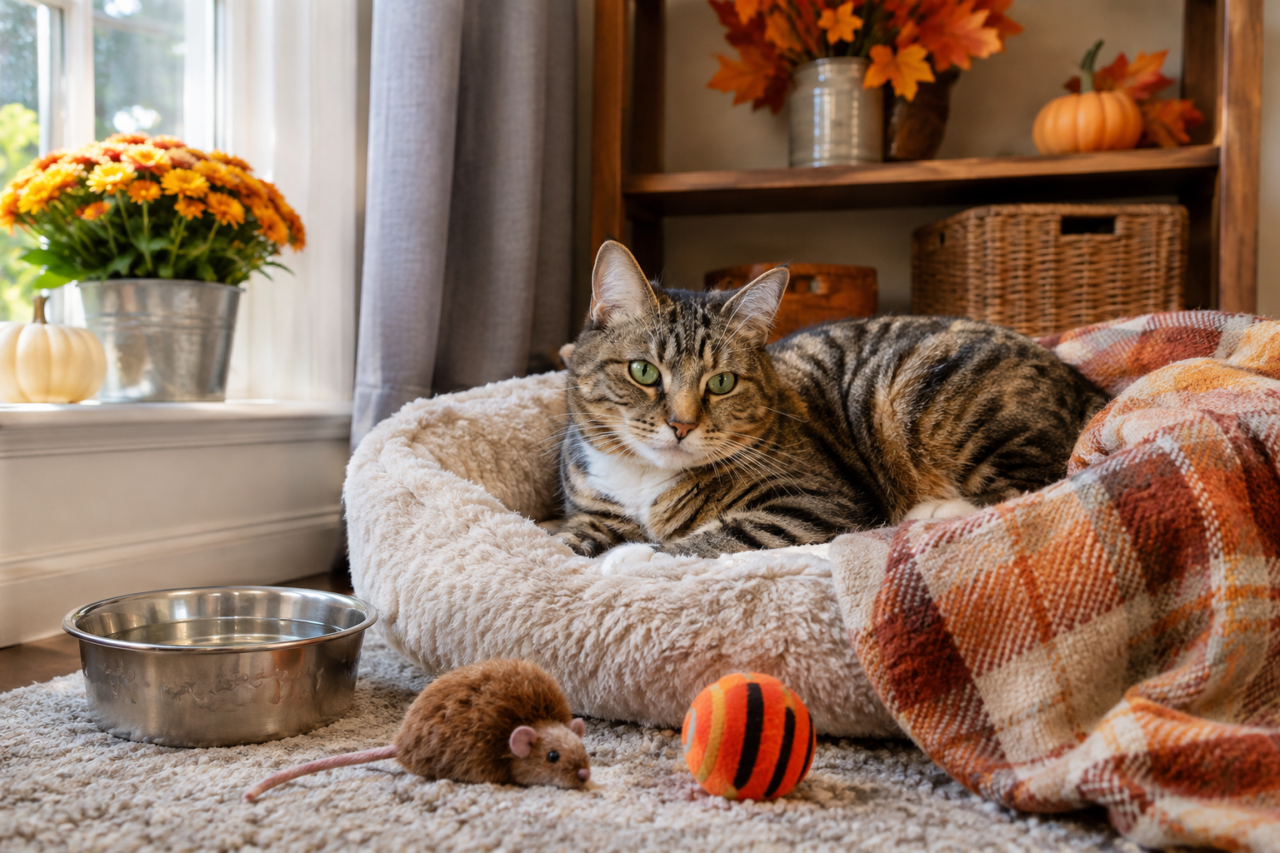
Some dogs and cats enjoy company; others become overwhelmed by visitors, children, or loud celebrations. Set up a separate room with bedding, fresh water, familiar toys, and—if needed—a litter box. Let your pet choose whether to interact, and ask guests not to disturb animals in their retreat.
5. Prevent escapes when guests arrive
With people coming and going, an open door can become an escape route. Check that collars and identification tags are current, confirm microchip registration information, and consider a gate or closed room during arrivals. Tell visitors to watch doors and not let pets outside unsupervised.
6. Keep decorations and plants pet-safe
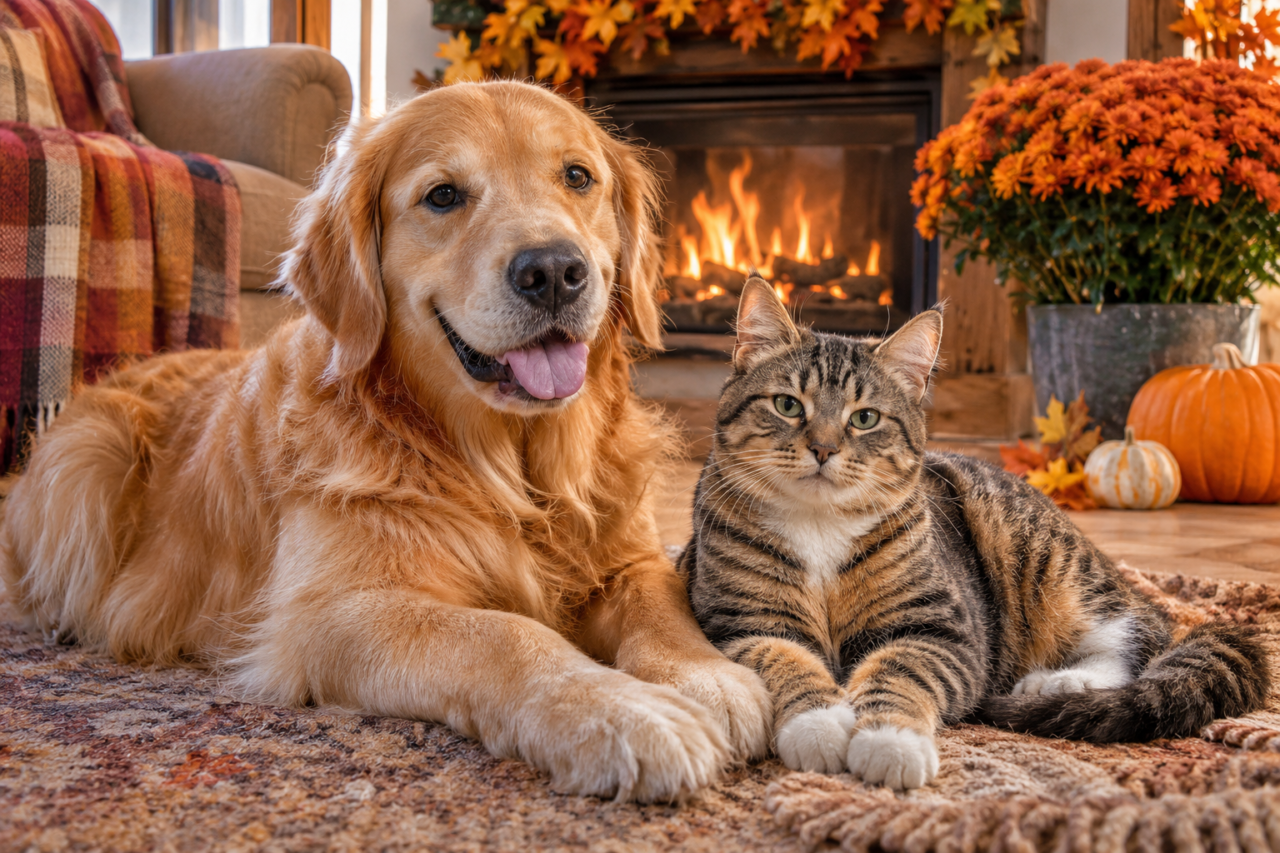
Secure electrical cords, candles, ribbons, and small decorative pieces. Curious pets can chew or swallow items that cause burns, choking, or intestinal blockages. Keep unfamiliar floral arrangements away from pets; lilies are particularly dangerous to cats, including exposure to pollen and vase water. Choose flameless candles where possible.
7. Stick with familiar routines
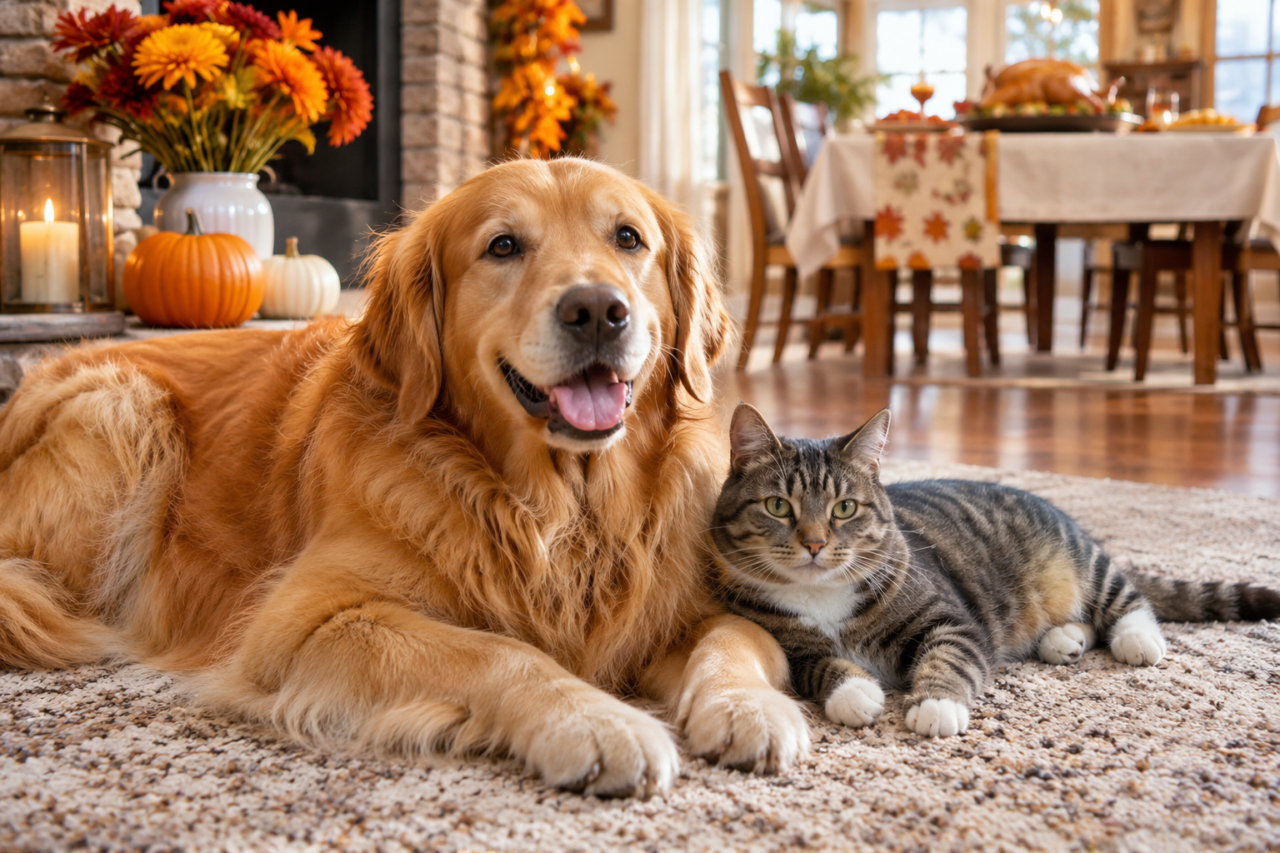
Try to keep feeding, walks, medications, litter-box cleaning, and bedtime close to normal. A little exercise or playtime before guests arrive can help some pets settle. Avoid forcing greetings or introducing new treats just because it is a holiday.
8. Plan ahead if you are traveling
Whether your pets travel with you or stay home, prepare their food, medications, veterinarian contact information, and emergency instructions. For pets staying home, arrange reliable care and check-ins rather than assuming a holiday schedule will work itself out.
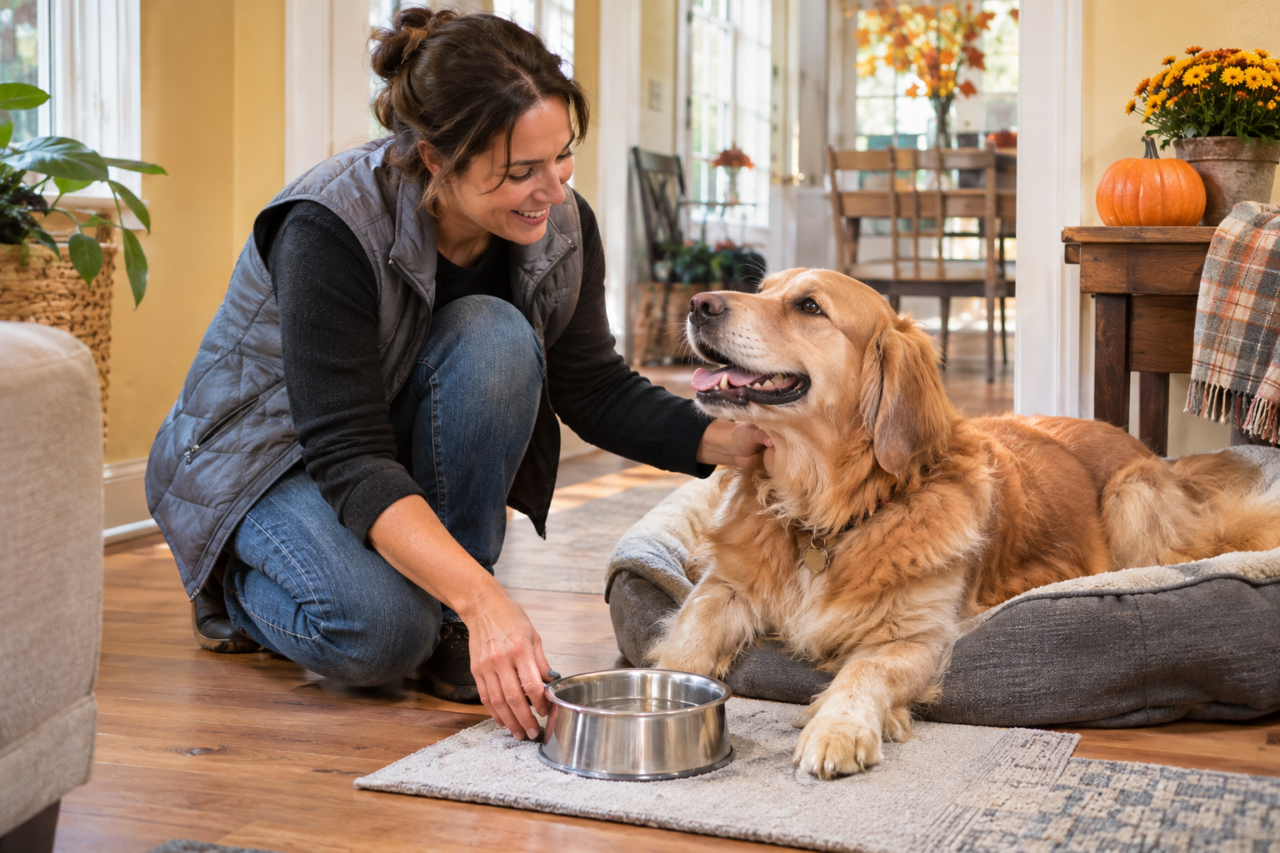
If you’re planning Thanksgiving travel, Love Furry Babies Pet Check-Ins can help keep your pets comfortable at home with familiar routines and attentive visits. Visit Love Furry Babies to ask about pet check-in availability.
9. Know when to call a veterinarian
Save your regular veterinarian’s number and the nearest 24-hour emergency clinic before Thanksgiving Day. If your pet eats a potentially toxic food, don’t wait for symptoms—call your veterinarian or an animal poison-control service for guidance. Seek urgent veterinary care for repeated vomiting, a swollen abdomen, trouble breathing, collapse, seizures, or suspected swallowed bones or decorations. Do not induce vomiting unless a veterinarian specifically directs you to do so.
A safer, happier Thanksgiving
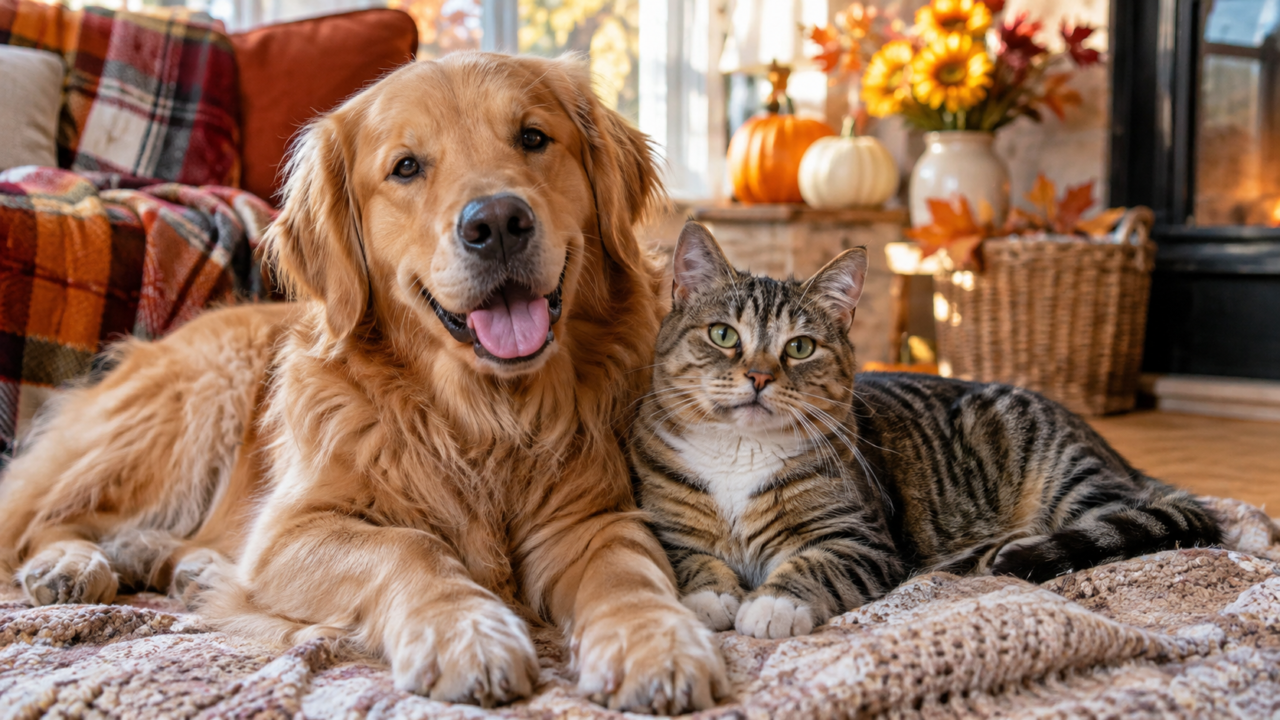
A secure home, pet-safe food, calm spaces, and a dependable care plan can make Thanksgiving more enjoyable for everyone—including your four-legged family members. Share these tips with anyone who will be visiting your home this holiday.
General pet-safety information only; contact your veterinarian for advice specific to your animal.
