

If you have ever looked at your furry baby and thought, “Why does my dog do this?” you are not alone. Dogs bark at windows, chew shoes, jump on guests, dig holes, steal socks, lick nonstop, pull on the leash, follow us everywhere, and sometimes act like they forgot every bit of training they ever learned.
The good news is that most common dog behavior problems have a reason. The bad news is that the reason is often not what frustrated pet parents assume.
Your dog is not trying to embarrass you, punish you, or take over the house. Most unwanted dog behavior comes from boredom, fear, stress, excess energy, lack of training, medical discomfort, mixed signals, or a behavior that has accidentally been rewarded.
Fast improvement starts when you stop asking, “How do I make this stop?” and start asking, “What is causing this behavior, and what should my dog do instead?”

Why Does My Dog Do This? Start With the Cause Before the Correction
This is where many pet parents waste time. They correct the symptom but never fix the cause.
A dog barking at the window may be bored, territorial, scared, excited, or responding to outside triggers. A dog chewing furniture may be teething, anxious, under exercised, or lacking appropriate chew outlets. A dog jumping on people may have learned that jumping gets attention.
The faster path is not harsher correction. The faster path is better diagnosis.
A safe behavior plan usually includes three parts: prevent rehearsal of the unwanted behavior, reward the behavior you want, and meet the need behind the behavior.
If your dog is showing sudden behavior changes, pain signs, aggression, house soiling, confusion, appetite changes, or severe anxiety, contact your veterinarian. Training cannot fix a medical problem. Ignoring that fact is ineffective and can be unsafe.
Stop Barking by Understanding the Type of Bark
Barking is normal dog communication, but nonstop barking can make daily life miserable.
Dogs may bark because they are alerting, bored, afraid, excited, frustrated, lonely, guarding, asking for attention, or reacting to people and animals outside. One solution will not fix every type of barking.
If your dog barks at the window, block the view temporarily while you train a better response. Use curtains, window film, gates, or a different room. Then reward calm behavior before the barking starts.
If your dog barks for attention, giving attention during the barking can make the problem worse. Even yelling may count as attention. Wait for a quiet moment, then reward quiet behavior.
If your dog barks from fear or anxiety, punishment is a bad strategy. It may suppress the sound temporarily while increasing the emotion underneath. That is not a true fix.
Fast fix: remove or reduce the trigger, reward quiet moments, give your dog something acceptable to do, and build daily exercise and enrichment into the routine.
Chewing Shoes, Furniture, and Random Objects
Chewing is normal. Destructive chewing is the problem.
Dogs chew to explore, relieve teething discomfort, reduce stress, release energy, entertain themselves, or because an object smells like their favorite person. Shoes and socks are not random. They smell strongly like you.
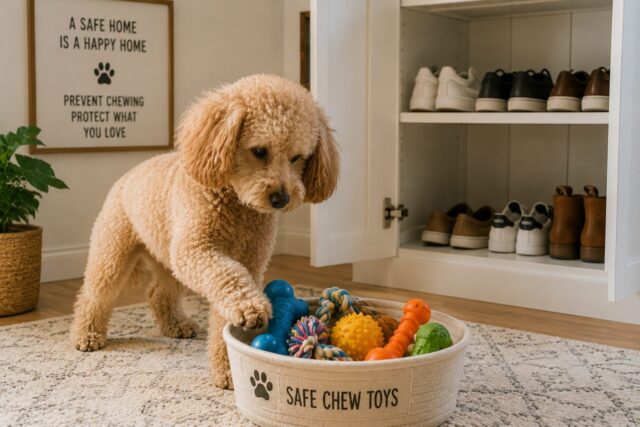
If your dog is chewing the wrong things, the first fix is management. Pick up shoes, close closet doors, use covered hampers, and keep tempting items out of reach. Leaving a puppy alone with shoes and then getting angry when the puppy chews them is not training. It is setting the dog up to fail.
Next, provide legal chewing options. Choose safe chew toys appropriate for your dog’s size, chewing strength, and health needs. Rotate them so they stay interesting.
Reward your dog when they choose the correct chew. If they pick up the wrong item, calmly trade for an appropriate toy rather than chasing them through the house.
Fast fix: remove the wrong objects, offer the right outlets, increase exercise, and reward correct chewing immediately.
Jumping on People Is Usually Rewarded by Accident
Jumping looks rude to humans, but to dogs it often means excitement, greeting, or attention seeking.
Here is the direct truth: if your dog keeps jumping, the behavior is probably still being rewarded somehow. Talking, touching, pushing, laughing, yelling, and dramatic reactions can all feed the behavior.
The better approach is consistency. Teach your dog that calm greetings make people appear, while jumping makes attention stop.
Ask guests to ignore jumping and reward four paws on the floor. Keep your dog on a leash during greetings if needed. Practice when the house is calm, not only when excited visitors arrive.
Teach an alternate behavior such as sit, go to mat, or get a toy. Do not just tell your dog what not to do. Show them what works instead.
Fast fix: remove attention for jumping, reward calm greetings, and practice with low excitement before trying it with visitors.
Leash Pulling Happens Because It Works
Dogs pull on leash because pulling often gets them where they want to go. The tree, the smell, the person, the squirrel, the mailbox, the next exciting thing. If pulling moves the walk forward, pulling has been rewarded.
That is why occasional corrections are usually ineffective. The dog has already learned the math.
To change the behavior, stop letting pulling work. When the leash tightens, pause. When the leash softens, move forward. Reward your dog for checking in and walking near you.
This takes patience, but it is not complicated. The hard part is consistency.
Use appropriate walking gear and avoid tools that cause pain or fear. Reward based training is the safer long term foundation because it teaches the dog what to do instead of only punishing the mistake.
Fast fix: stop forward motion when pulling happens, reward a loose leash, and practice in boring areas before busy areas.
Digging, Stealing, and Getting Into Trash
Digging can come from boredom, heat seeking, prey drive, anxiety, escape attempts, or simple enjoyment. Stealing objects can come from play, attention seeking, resource guarding, or lack of boundaries. Trash diving is usually about access and reward.
Do not make these harder than they are.
If your dog gets into the trash, secure the trash. If your dog steals laundry, close the bedroom door and use a covered hamper. If your dog digs in one garden area, block access and provide better activity.
For dogs who love digging, a designated digging area may work better than constant correction. For dogs who steal items, teach trade and drop it using rewards. Do not chase unless safety requires it, because chasing can turn stealing into a thrilling game.
Fast fix: block access, remove the reward, teach a replacement behavior, and increase mental stimulation.
Separation Anxiety and Clingy Behavior Need a Different Plan
A dog who destroys things only when alone, panics when you leave, drools, paces, barks, cries, or has accidents shortly after departure may be dealing with separation anxiety. This is not the same as simple boredom.

Separation anxiety does not usually improve by letting the dog “cry it out.” That can make panic worse.
A safer plan starts with reducing panic, building independence gradually, and practicing short absences your dog can handle. Some dogs need help from a veterinarian, certified behavior professional, or veterinary behaviorist.
Enrichment can help some dogs settle, especially licking and chewing activities, but it is not a cure for true panic. If your dog is genuinely distressed when left alone, treat it seriously.
Fast fix: stop triggering full panic when possible, practice very short calm separations, create predictable departure routines, and get professional help if the distress is intense or persistent.
Licking, Paw Chewing, Scooting, and Sudden Weird Behavior
Not every behavior problem is a training problem.
Excessive licking, paw chewing, head shaking, scooting, sudden aggression, hiding, house accidents, restlessness, whining, and behavior changes can be signs of discomfort or illness.
If your dog suddenly starts doing something unusual, do not assume they are being stubborn. Pain, allergies, ear infections, digestive problems, urinary issues, dental pain, anal gland discomfort, and age related changes can all affect behavior.
This is especially important with older dogs. A senior dog who becomes irritable, clingy, anxious, confused, or less tolerant may need veterinary evaluation.
Fast fix: track when the behavior happens, check for physical signs, avoid punishment, and call your veterinarian when the behavior is sudden, intense, repeated, or concerning.
A printable pet care organizer can help here because it keeps symptoms, routines, food changes, medications, vet notes, and behavior patterns in one place. That is a strong practical reason to browse the Love Furry Babies Etsy Shop for pet care planning pages and digital downloads.
Bored Dogs Create Their Own Entertainment
A bored dog will often invent a job. You may not like the job.
Barking, chewing, digging, shredding, pacing, stealing, and pestering can all increase when a dog has too little physical and mental stimulation.
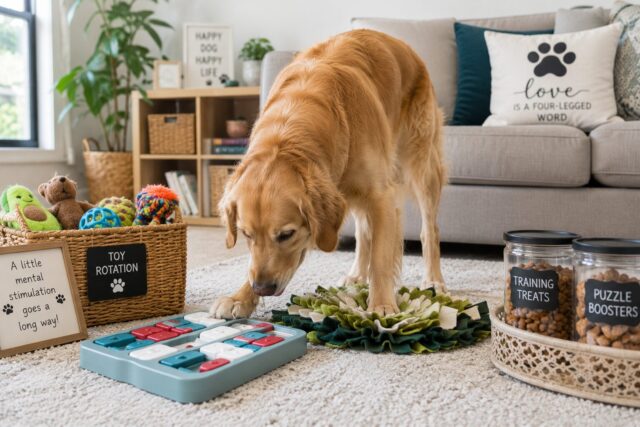
Daily enrichment does not have to be expensive. It needs to be consistent and matched to your dog. Food puzzles, sniffing games, short training sessions, chew time, toy rotation, scent games, and calm exploration can make a major difference.
For more help, read this Love Furry Babies article: Guidelines for Activity and Exercise for Pets
https://lovefurrybabies.com/2025/08/23/guidelines-for-activity-and-exercise-for-pets/
You can also read: 10 Daily Habits That Improve Your Pet’s Life and Happiness
https://lovefurrybabies.com/2026/07/06/10-daily-habits-that-improve-your-pets-life-and-happiness
Fast fix: add structured enrichment before the problem behavior usually appears, not after the dog has already started acting out.
The Fastest Way to Fix Dog Behavior Is to Reward What You Want
Punishment focused training is often attractive because frustrated pet parents want immediate control. But control is not the same as learning.
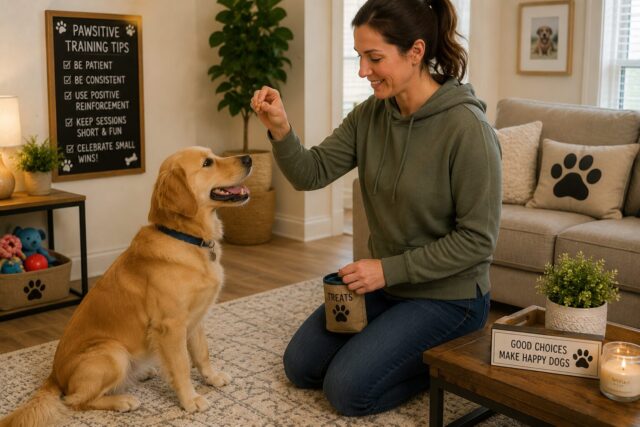
Reward based training teaches your dog the behavior that pays. Sit instead of jump. Chew this instead of shoes. Look at me instead of lunging. Settle on your mat instead of begging. Walk with a loose leash instead of dragging.
This is not permissive. It is strategic.
If a behavior keeps happening, ask these five questions:
- What need is my dog trying to meet with this behavior?
- What reward is my dog getting from doing it?
- How can I prevent the behavior from being practiced?
- What specific behavior do I want instead?
- How can I reward the better behavior quickly and consistently?
Those questions are more useful than repeating “no” all day. “No” does not teach a replacement skill.
When to Get Professional Help
Some dog behavior problems should not be handled with guesswork.
Get professional help if your dog growls, snaps, bites, guards food or objects, panics when alone, shows severe fear, hurts themselves, attacks other animals, or has sudden major behavior changes.
Choose help carefully. Look for qualified, humane, reward based trainers or behavior professionals. Avoid anyone who promises instant dominance based fixes or relies heavily on fear, intimidation, pain, or flooding. Those methods can damage trust and make some problems worse.
Fast results are good. Reckless shortcuts are not.
Love, Routine, and Memories Matter Too
Fixing behavior is not only about stopping annoying habits. It is about building a better life with your dog.
A calmer dog is easier to enjoy. A better routine reduces stress. A dog who understands what you want becomes more confident. A pet parent who tracks patterns can solve problems faster.
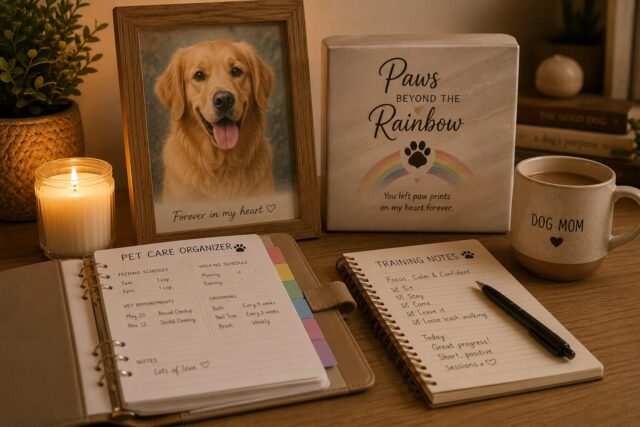
This is where Love Furry Babies products fit naturally. Pet care organizers, printable routine pages, training trackers, coloring pages, and pet themed digital downloads support the daily rhythm of caring for your furry baby.
Custom pet portraits also make sense after a behavior focused blog because progress deserves celebration. The dog who once chewed everything may become the sweet companion curled up beside you. That memory is worth keeping.
For families remembering a beloved dog, Paws Beyond the Rainbow offers a gentle way to honor a furry baby who will always matter. This is not the main conversion angle for this topic, but it is a meaningful reminder: the time we have with them is precious.
FAQ About Common Dog Behavior Problems
Why does my dog suddenly start acting weird?
Sudden behavior changes can happen because of stress, fear, routine changes, pain, illness, aging, or environmental triggers. If the change is abrupt, repeated, intense, or concerning, contact your veterinarian before assuming it is a training issue.
Can I fix dog behavior problems fast?
You can often improve behavior quickly with management, routine changes, and better rewards. However, fear, anxiety, aggression, and long practiced behaviors usually take time. Fast does not mean instant. Anyone promising a guaranteed overnight fix is overselling.
Why does my dog bark at everything?
Dogs bark for many reasons, including alerting, excitement, fear, boredom, frustration, guarding, or attention. The fix depends on the cause. Blocking triggers, rewarding quiet behavior, adding enrichment, and teaching an alternate behavior are better than yelling.
Why does my dog chew things when I leave?
Chewing when alone can come from boredom or separation anxiety. If it happens mainly during absences and includes pacing, barking, drooling, accidents, or panic, treat it as possible separation anxiety and seek professional guidance.
What is the best first step for fixing dog behavior?
Track the behavior. Write down when it happens, what happened right before it, what your dog gained from it, and what you want your dog to do instead. A pattern gives you a plan.
Conclusion: Why Does My Dog Do This? Because Behavior Has a Reason
When you ask, “Why does my dog do this?” the real answer is usually not defiance. It is communication, habit, stress, instinct, boredom, confusion, reward, or discomfort.
The fastest safe fix is to stop guessing. Look at the cause. Prevent the problem from being repeated. Reward the behavior you want. Meet your dog’s needs. Get professional help when the issue is serious.
Your furry baby does not need perfection from you. They need consistency, patience, structure, and love.
Start with one behavior this week. Track it. Change the setup. Reward the better choice. Keep the routine simple enough that you can repeat it tomorrow.
That is how real progress happens.
Love Furry Babies is here to help you care for, celebrate, and remember the pets who make life sweeter. Explore our Etsy shop for printable pet care organizers, pet themed digital downloads, custom pet portraits, coloring pages, and heartfelt keepsakes created for devoted dog moms, cat moms, and pet lovers.
👉 Shop here: https://www.etsy.com/shop/LoveFurryBabies
💌 Monthly newsletter launches the 1st with tips, fun facts and announcements:
https://preview.mailerlite.io/forms/2009060/175253019353416926/share
