

Your home may feel like the safest place in the world for your dog, but many everyday items can quietly become serious risks. The most common household dangers for dogs are not rare or unusual. They are often sitting on kitchen counters, inside purses, under sinks, in trash cans, on coffee tables, in laundry rooms, or out in the yard.
That is why dog safety at home matters so much. Dogs explore with their noses and mouths. A curious puppy, a bored adult dog, or a hungry senior dog can get into trouble faster than most people expect.
The goal is not to live in fear. The goal is to make smart, practical changes before an accident happens. Prevention is always easier, cheaper, and kinder than an emergency vet visit.
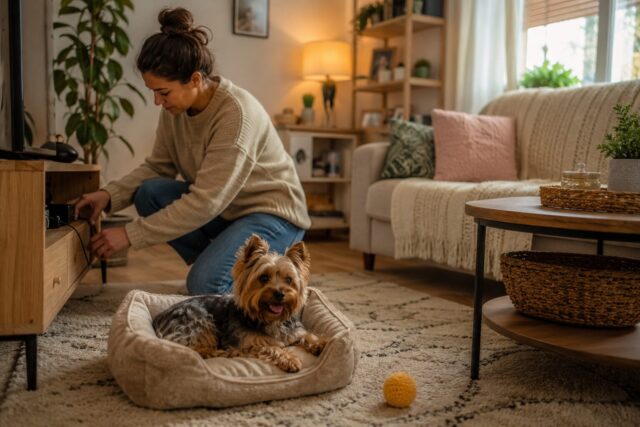
Why Household Dangers for Dogs Are So Easy to Miss
The biggest mistake pet parents make is assuming, “My dog would never get into that.”
That thinking is dangerous.
Dogs do not understand which foods are toxic, which cleaners can burn their mouth, which pills are deadly, or which small objects can block their intestines. They are curious, food motivated, and sometimes determined.
A dog that has ignored the trash for years may suddenly investigate it after smelling chicken bones. A puppy may chew a cord because it feels good on sore gums. A senior dog may become confused and eat something inappropriate. A nervous dog may destroy household items when left alone.
Household safety is not about blaming the dog. It is about designing the home so the dog has fewer chances to make a dangerous choice.
Dangerous Foods Dogs Should Never Have
Food is one of the most common household risks for dogs because it is everywhere. Kitchen counters, dinner plates, children’s hands, snack bags, purses, and trash cans can all become access points.
Some human foods can cause mild stomach upset. Others can become medical emergencies.
Chocolate, grapes, raisins, xylitol, onions, garlic, alcohol, caffeine, macadamia nuts, very fatty foods, and some sugar free products should be kept away from dogs. Xylitol is especially concerning because it can appear in sugar free gum, mints, baked goods, peanut butter, vitamins, dental products, and other items.
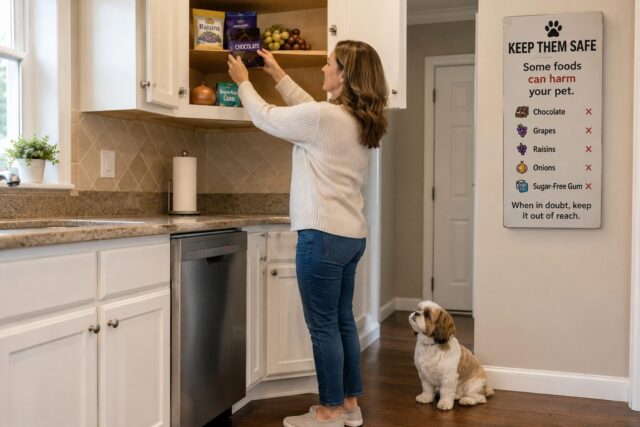
Do not assume that a food is safe because it looks plain. Read labels. Keep snacks out of reach. Teach children not to share food without permission. Put groceries away quickly. Use trash cans with secure lids.
The table, counter, and open trash are not safe storage places.
If you suspect your dog has eaten something toxic, do not wait to see what happens. Contact your veterinarian, an emergency vet, or animal poison control right away. Do not induce vomiting unless a professional specifically tells you to do so.
For more seasonal safety tips, read this related Love Furry Babies blog post:
Celebrating Summer Safely With Your Furry Babies All Season Long
https://lovefurrybabies.com/2026/06/08/celebrating-summer-safely-with-your-furry-babies-all-season-long/
Human Medications Are a Major Dog Safety Risk
Medications are one of the most serious household dangers for dogs because even one dropped pill can matter.
Pain relievers, cold medicine, sleep aids, vitamins, supplements, antidepressants, heart medications, diabetes medications, and prescription drugs can all be dangerous depending on the dog, dose, and substance.
Do not leave pill bottles on nightstands, counters, purses, backpacks, or bathroom sinks. Dogs can chew through plastic bottles. A bottle that looks closed may still become a toy to a determined dog.
Store all medications behind closed doors or in cabinets your dog cannot access. Be especially careful when guests visit. Visitors may leave medication in luggage, purses, or pockets at dog level.
If you drop a pill, stop immediately and find it before your dog does.
Never give your dog human medication unless your veterinarian specifically instructs you to do so. Guessing with medication is not responsible pet care. It can be deadly.
Cleaning Supplies, Chemicals, and Laundry Products
Cleaning products make homes look and smell fresh, but many can be harmful if dogs lick, chew, inhale, or walk through them.
Bleach, disinfectants, toilet cleaners, oven cleaners, drain cleaners, detergents, essential oils, pest sprays, fertilizer, antifreeze, paint, and pool chemicals should be stored securely. Laundry pods can be especially risky because they are concentrated and may look like toys.
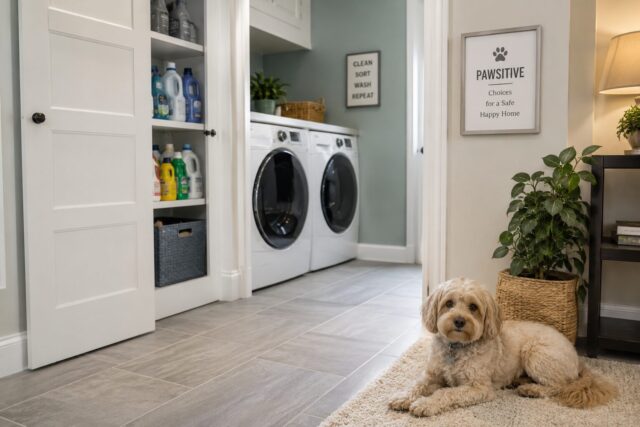
Use pet safe cleaning routines, but do not fall for marketing alone. “Natural” does not automatically mean safe for dogs. Essential oils can still be irritating or dangerous depending on the oil, concentration, and exposure.
When cleaning floors, crates, bedding areas, or food stations, let surfaces dry before allowing your dog back into the area. Keep your dog away while using strong products. Close bathroom doors after using toilet bowl cleaners.
A good rule is simple: if you would not want your dog licking it, do not leave it accessible.
Toxic Plants Inside and Outside the Home
Plants can be beautiful, but some are not appropriate for dog households. Sago palm, oleander, azalea, tulips, daffodils, lilies, aloe, and many other plants can cause problems if chewed or eaten.
The risk is not limited to indoor plants. Dogs can also encounter dangerous plants in yards, porches, patios, garden beds, and holiday decorations.
Before buying a plant, check whether it is safe for dogs. Do not rely on a store label that only says “houseplant” or “decorative plant.” That tells you nothing about pet safety.
If you already have plants, identify them. Move risky plants completely out of reach or remove them from the home. With dogs, “up high” is not always enough. Some dogs jump, climb, knock things over, or eat fallen leaves.
For pet parents who love decorating, safer plant choices are worth the extra research. A pretty room is not worth a preventable emergency.
Choking Hazards and Intestinal Blockage Risks
Dogs do not have to eat poison to be in danger. Many household objects can cause choking, mouth injuries, or intestinal blockages.
Small toys, socks, underwear, hair ties, rubber bands, string, ribbon, bones, corn cobs, skewers, plastic pieces, bottle caps, batteries, coins, and children’s craft supplies can all create serious problems.
Some dogs swallow things quickly when they think a person is about to take the item away. This is one reason chasing a dog around the house can backfire.
Keep small items off the floor. Use covered laundry hampers. Store craft supplies and children’s toys behind closed doors. Throw away damaged dog toys before pieces break off.
If your dog swallows something questionable, call your veterinarian. Do not assume it will pass safely.
Electrical Cords, Batteries, and Technology Hazards
Modern homes are filled with cords, chargers, remotes, earbuds, batteries, and small electronics. To a dog, these may look like chew toys.
Puppies and young dogs are at higher risk because chewing is part of exploration and teething. However, bored or anxious adult dogs may chew cords too.
Cord chewing can cause burns, electric shock, or worse. Batteries can cause chemical burns or toxicity. Small electronics can break into sharp pieces.
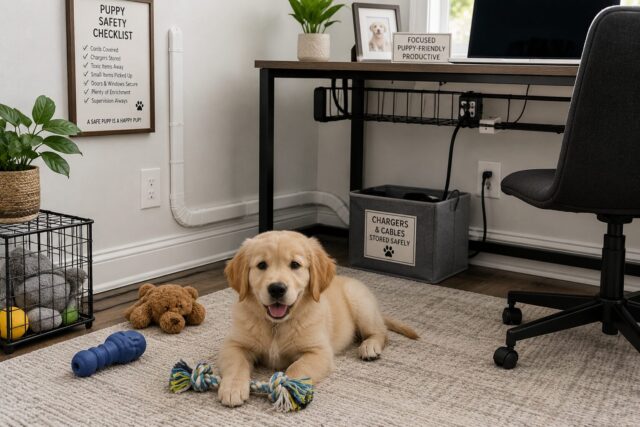
Use cord covers where needed. Unplug items when not in use. Keep chargers and earbuds in drawers. Store remotes away instead of leaving them on the couch or coffee table. Do not leave button batteries or loose batteries anywhere your dog can reach.
This is boring advice, but it works. Most home safety improvements are not glamorous. They are practical.
Doors, Windows, Gates, and Escape Risks
One of the most overlooked dog safety risks is escape.
A door left open for a delivery, a loose fence board, a broken gate latch, an open window screen, or a distracted guest can quickly turn into a lost dog situation.
This risk increases during storms, fireworks, parties, home repairs, moving days, and family gatherings. Dogs who are normally calm can bolt when frightened.
Create a safe place for your dog before activity begins. Use a crate, gated room, interior room, leash, or supervised space. Make sure your dog wears identification and that microchip information is current.
For anxious dogs, prevention is not optional. A secure room with water, bedding, familiar sounds, and reduced access to doors can prevent disaster.
For more anxiety support, read:
How to Calm an Anxious Pet Naturally at Home
https://lovefurrybabies.com/2026/05/18/how-to-calm-an-anxious-pet-naturally-at-home-gentle-tips-for-dogs-and-cats/
Bathroom, Bedroom, and Laundry Room Dangers
Bathrooms and bedrooms often contain more dog hazards than people realize.
Razors, dental floss, cotton swabs, hair ties, medication, lotions, cosmetics, perfumes, cleaning products, and trash cans can all attract a curious dog. Laundry rooms may contain detergent, dryer sheets, stain removers, lint, small clothing items, and appliance spaces where a small dog could get trapped.
Keep toilet lids down if your dog drinks from toilets. Store personal care products in cabinets. Use covered trash cans. Keep laundry off the floor. Check washers and dryers before use if you have a tiny dog or a curious pet who likes hiding spaces.
A closed door is one of the simplest safety tools in the house.
Heat, Fire, Candles, and Kitchen Risks
Dogs are often drawn to the kitchen because food smells exciting. Unfortunately, kitchens contain sharp tools, hot surfaces, grease, trash, dropped food, and toxic ingredients.
Do not allow dogs underfoot while cooking if they create a tripping risk. Keep them away from hot stoves, open ovens, air fryers, grills, and boiling liquids. Avoid leaving food unattended on counters.
Candles, wax warmers, fireplaces, and space heaters should also be treated seriously. A wagging tail, curious nose, or bumped table can create a burn or fire risk.
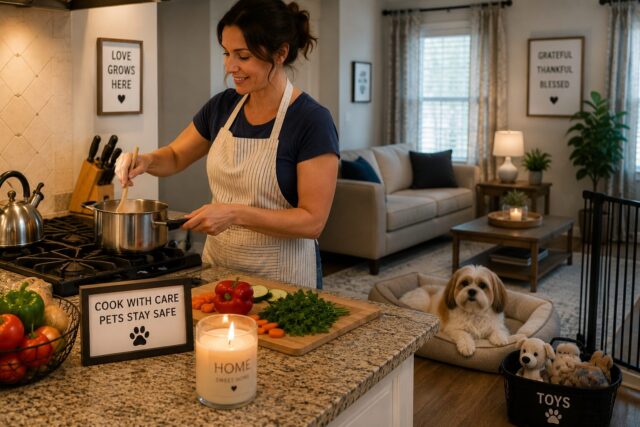
If you use candles for a cozy home, place them where pets cannot reach them, knock them over, or brush against them. Better yet, use flameless candles in pet areas.
For pet parents who enjoy creating cozy pet spaces, the safest version is the best version. Soft bedding, safe toys, clean water, and calm lighting are better than anything that adds unnecessary risk.
Create a Simple Dog Safety Routine
The best dog proofing plan is not a one time project. It is a habit.
Walk through your home at your dog’s eye level. Look for reachable food, open trash, exposed cords, small objects, unsafe plants, accessible medications, cleaning products, and escape points.
Use this five part home safety reset:
- Secure all food, medications, cleaners, and chemicals behind closed doors or in dog proof storage.
- Check floors, counters, laundry areas, and trash cans daily for items your dog might chew or swallow.
- Confirm doors, gates, windows, screens, collars, tags, and microchip information are current and secure.
- Create a calm safe space for storms, fireworks, visitors, deliveries, repairs, and busy household moments.
- Keep emergency numbers, veterinary records, medication details, and pet care instructions organized in one easy to find place.
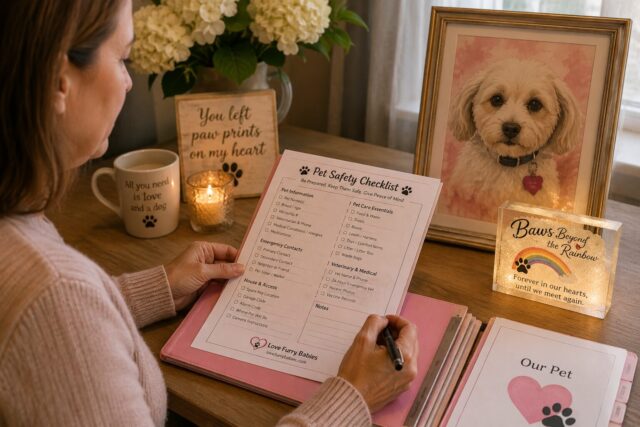
This is where a printable pet safety checklist or pet care organizer fits naturally. A good organizer helps you keep emergency contacts, feeding instructions, medications, vet information, routines, and notes together before you need them.
That is a practical reason to visit the Love Furry Babies Etsy Shop. Digital downloads, printable pet pages, and pet care resources are useful because they support real life pet parenting.
Why Prevention Is an Act of Love
It is easy to think pet safety is only about avoiding emergencies. It is bigger than that.
A safer home gives your dog more freedom. It gives you more peace of mind. It lets your furry baby relax in a space designed with their needs in mind.
It also protects the bond you treasure.
Custom pet portraits, pet themed printables, and keepsakes from Love Furry Babies are not replacements for safety. They are reminders of why safety matters. We protect our furry babies because their lives are precious, funny, messy, loyal, and deeply loved.
For families who have already lost a beloved dog, Paws Beyond the Rainbow offers a heartfelt way to honor that love. Memorial keepsakes should never be forced into a safety topic, but the connection is honest: when you know how much a furry baby means, prevention becomes even more important.
FAQ About Household Dangers for Dogs
What is the most common household danger for dogs?
Food, medication, trash, and small objects are among the most common household dangers because dogs can access them quickly. The exact risk depends on the dog’s size, age, curiosity, habits, and environment.
What should I do if my dog eats something toxic?
Call your veterinarian, an emergency vet, or animal poison control immediately. Have the package, ingredient list, estimated amount, and time of exposure ready if possible. Do not induce vomiting unless a professional tells you to do so.
How do I dog proof my home?
Start with food, medications, cleaners, trash, cords, plants, laundry, and escape points. Store dangerous items behind closed doors, use secure trash cans, remove toxic plants, hide cords, and create a safe space for stressful events.
Are natural cleaners safe for dogs?
Not automatically. Some natural products and essential oils can still irritate or harm pets. Use caution, follow labels, ventilate the space, and keep dogs away until cleaned areas are dry.
Should I keep emergency pet information printed?
Yes. Printed emergency information is smart because phones fail, batteries die, and urgent moments are stressful. Keep vet contacts, medication details, feeding instructions, allergies, microchip information, and care notes in one easy to find place.
Conclusion: Household Dangers for Dogs Can Be Prevented With Simple Daily Choices
The truth is direct: many household dangers for dogs are preventable. Not every accident can be predicted, but many risks can be reduced with better storage, safer routines, closer observation, and a home set up for the way dogs actually behave.
Do not wait until your dog gets into the trash, chews a cord, eats a dropped pill, or escapes through an open door. Walk through your home today and fix the easy risks first.
Put medications away. Secure the trash. Check your plants. Hide cords. Close doors. Create a calm safe space. Print your emergency information. Make sure every person in the household knows the safety rules.
Your furry baby does not need a perfect home. They need a thoughtful one.
Love Furry Babies is here to help pet parents care for, celebrate, and remember the animals who make life sweeter. Whether you are looking for pet themed digital downloads, printable coloring pages, custom pet portraits, practical pet care pages, or Paws Beyond the Rainbow memorial keepsakes, every item is created with love for the furry babies who hold our hearts.
Protect them today. Celebrate them always.
👉 Shop here: https://www.etsy.com/shop/LoveFurryBabies
💌 Monthly newsletter launches the 1st with tips, fun facts and announcements:
https://preview.mailerlite.io/forms/2009060/175253019353416926/share
