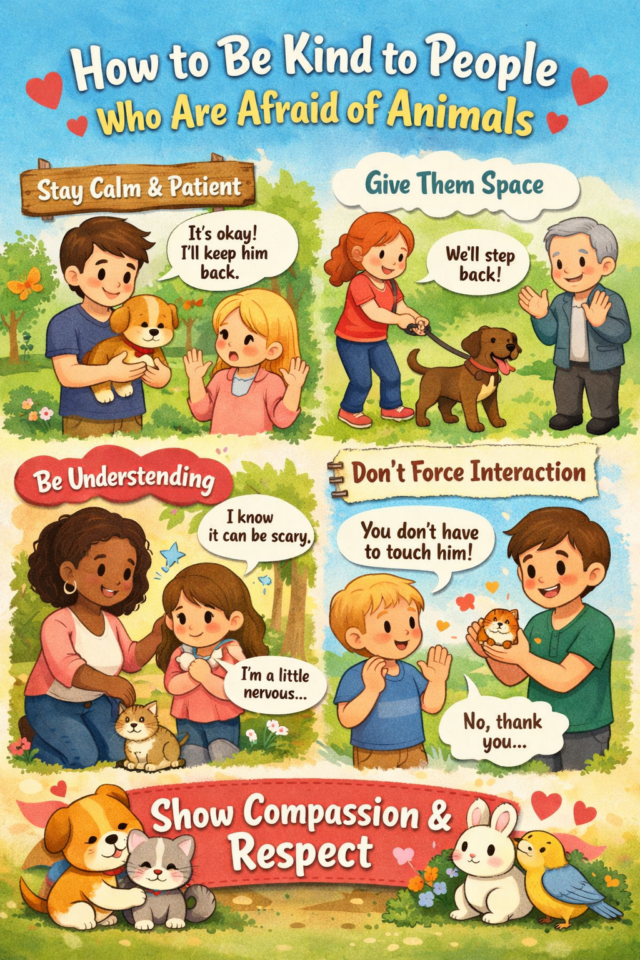

 Animals bring joy, comfort, laughter, and unconditional love into millions of homes. They brighten our days, reduce stress, and remind us what pure companionship feels like. But not everyone feels instantly comfortable around animals. Some people are afraid of dogs, cats, birds, or even small pets like rabbits and hamsters. Their fear is real, and it deserves understanding, patience, and kindness.
At Love Furry Babies, we believe in celebrating the bond between humans and pets while also respecting the feelings of those who may not share the same comfort level. This blog explores why some people fear animals, how we can support them, and how kindness can create safer and more positive interactions for everyone. Along the way, we will use high ranking keywords like pet safety, dog behavior, animal body language, responsible pet ownership, and positive pet interactions to help this article reach more pet lovers and community members.
Let’s dive into a compassionate and educational look at this important topic.
Why Are Some People Afraid of Animals
Fear of animals is more common than many people realize. It can come from childhood experiences, cultural beliefs, lack of exposure, or even a single unexpected encounter. Understanding the root of someone’s fear helps us respond with empathy instead of judgment.
1. Past Negative Experiences
A person who was bitten, scratched, chased, or startled by an animal may carry that fear into adulthood. Even a small incident can leave a lasting impression, especially if it happened during childhood.
2. Lack of Familiarity
Not everyone grew up with pets. For someone who has never lived with a dog or cat, normal behaviors like barking, jumping, or zoomies can feel unpredictable or overwhelming.
3. Cultural Influences
In some cultures, animals are viewed differently. Dogs may be seen as working animals rather than family members. Cats may be associated with superstition. These beliefs can shape how someone reacts to pets.
4. Allergies or Health Concerns
Some people avoid animals because of allergies or medical conditions. Their caution is not fear but self protection.
5. Natural Caution
Humans are wired to be cautious around unfamiliar creatures. It is a survival instinct. Some people simply feel safer keeping their distance.
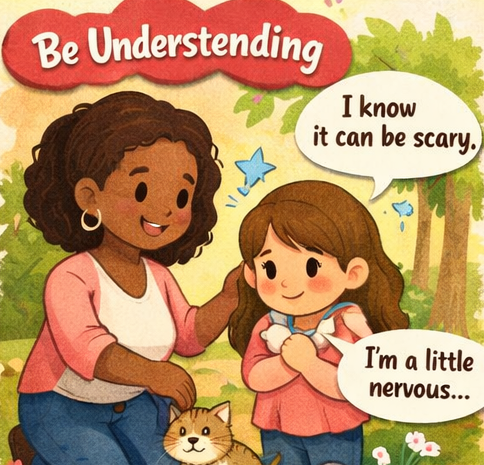
Understanding these reasons helps pet owners respond with compassion. When we know why someone feels afraid, we can create positive and respectful interactions that make everyone feel safe.
 Why Respect Matters in Pet Friendly Communities
 Why Respect Matters in Pet Friendly Communities
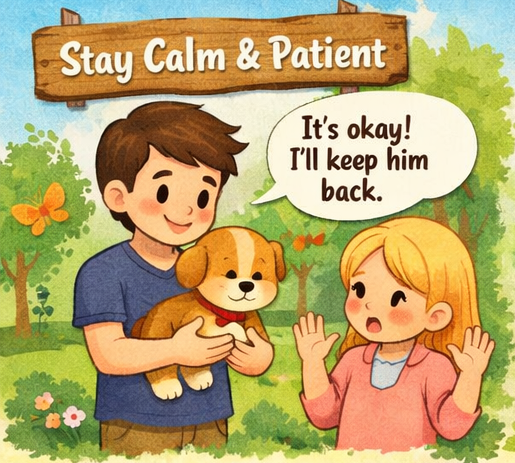
Pet friendly communities thrive when everyone feels comfortable. Respecting people who fear animals is just as important as protecting the well being of pets. Responsible pet ownership means being aware of how our animals affect others.
Here are five key reasons why respect matters:
1. Safety for Everyone
When people feel scared, they may react unpredictably. A startled person might run, scream, or make sudden movements that confuse a dog. Respecting boundaries keeps both humans and pets safe.
2. Better Social Interactions
Kindness builds trust. When pet owners show understanding, people who fear animals feel more relaxed. This leads to more positive interactions and fewer misunderstandings.
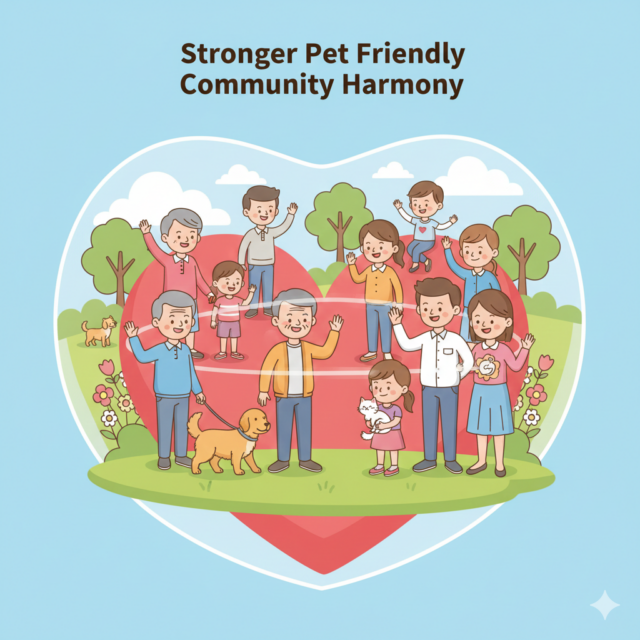
3. Stronger Community Harmony
Neighborhoods, parks, and public spaces work best when everyone feels welcome. Respect helps create a peaceful environment where pet lovers and non pet lovers can coexist.
4. Positive Pet Behavior
Animals pick up on human emotions. If someone is nervous, a dog may become anxious or overly excited. Respectful distance helps pets stay calm and confident.
5. Teaching Children Compassion
Kids learn by watching adults. When they see kindness toward people who fear animals, they learn empathy, patience, and responsible pet behavior.
Respect is not just polite. It is essential for safe and happy communities.
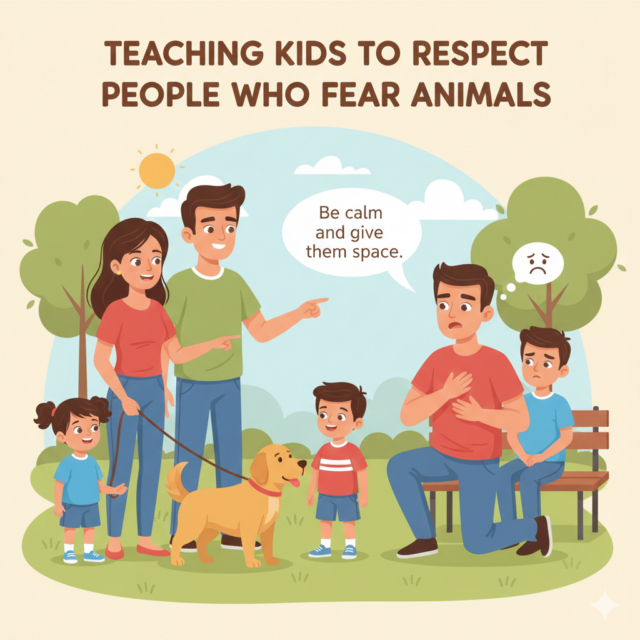
How to Be Kind to People Who Are Afraid of Animals
Being a responsible pet owner means understanding that not everyone loves animals the way we do. Here are simple ways to show kindness and help others feel safe.
1. Ask Before Approaching
Always ask someone if they are comfortable being near your pet. A simple question like “Are you okay with dogs?” shows respect and gives them control over the situation.
2. Keep Your Pet Leashed in Public
A leash is not just a safety tool. It is a sign of responsibility. It helps people who are afraid feel more secure and prevents unexpected interactions.
3. Teach Your Pet Good Manners
Training your dog to sit, stay, or walk calmly can make a huge difference. Well behaved pets help reduce fear and build trust.
 4. Give People Space
 4. Give People Space
If someone steps away or looks uncomfortable, gently move your pet to the side. This small gesture shows awareness and kindness.
5. Educate Without Pressuring
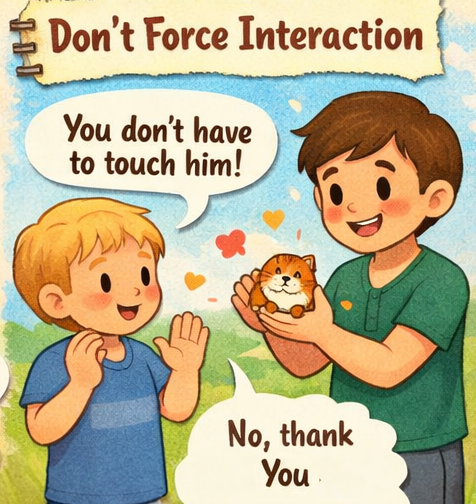
Sharing helpful information about pet behavior or animal body language can be comforting, but avoid pushing someone to interact if they are not ready.
These small actions create big waves of kindness.
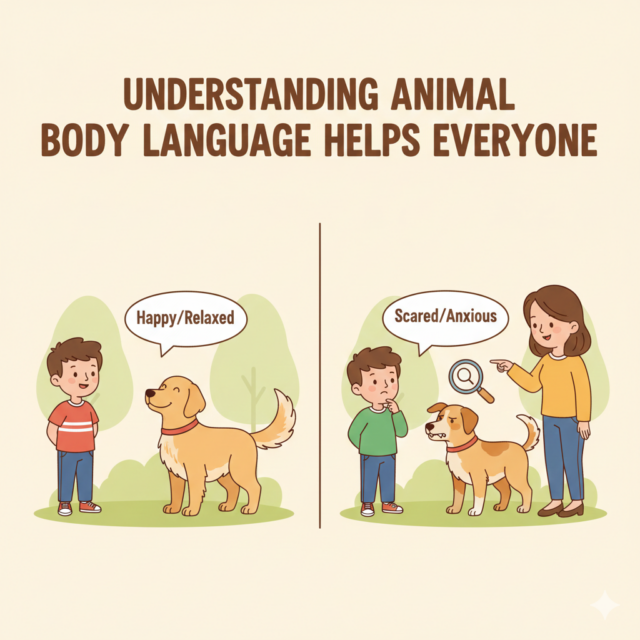
Understanding Animal Body Language Helps Everyone
One of the best ways to reduce fear is through education. When people understand what animals are communicating, they feel more in control and less anxious.
High ranking keywords like dog body language, cat behavior, and pet communication help this section reach readers searching for guidance.
Common Dog Body Language Signals
Dogs communicate with their entire bodies. Here are a few examples:
- A wagging tail does not always mean a dog is friendly. Fast, stiff wagging can signal excitement or stress.
- A relaxed dog has loose muscles, soft eyes, and a gentle tail movement.
- A nervous dog may tuck its tail, lick its lips, or avoid eye contact.
- A playful dog may bow with its front legs down and rear end up.
- A stressed dog may yawn repeatedly or pace.
Understanding these signals helps people feel safer and helps pet owners prevent misunderstandings.
Common Cat Body Language Signals
Cats are more subtle, but their signals are just as important:
- A raised tail often means a cat is happy or curious.
- A puffed tail signals fear or defensiveness.
- Slow blinking shows trust and relaxation.
- Flattened ears indicate stress or discomfort.
- A swishing tail can mean irritation or excitement.
When people learn these cues, they feel more confident around animals.
How to Help Someone Slowly Become More Comfortable Around Animals
 How to Help Someone Slowly Become More Comfortable Around Animals
Not everyone wants to overcome their fear, and that is perfectly okay. But for those who do, gentle exposure can help. The goal is not to force interaction but to build confidence at their pace.
Here are five supportive steps:
- Start with distance. Let them observe the animal from far away where they feel safe.
- Allow them to ask questions about the pet’s behavior or personality.
- Let them watch calm interactions between the pet and someone else.
- Invite them to offer a treat from a safe distance if they feel ready.
- Celebrate small victories like standing closer or staying relaxed during a walk.
These steps help people feel empowered instead of pressured.
Teaching Kids to Respect People Who Fear Animals
Children often adore animals, especially playful dogs and cuddly cats. But they also need to learn that not everyone feels the same way. Teaching kids empathy helps them grow into responsible pet owners and kind community members.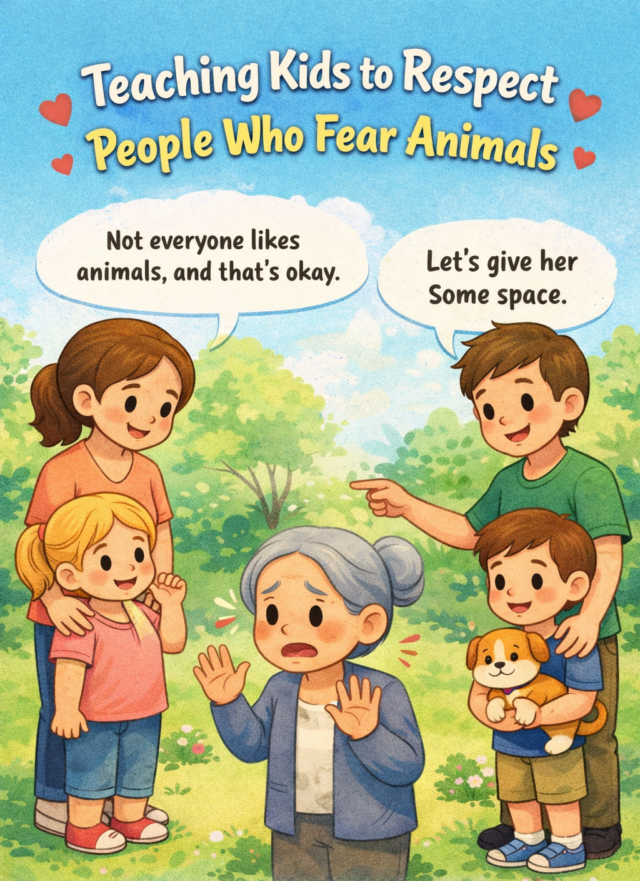
Here are simple lessons for kids:
- Always ask before letting a pet approach someone.
- Keep pets calm when guests visit.
- Understand that fear is not funny. Never tease someone who is scared.
- Learn about pet safety and gentle handling.
- Celebrate differences. Some people love animals from a distance.
Kids who learn kindness early become adults who make the world better for both pets and people.
How Pet Owners Can Create Positive Experiences for Everyone
Pet owners play a huge role in shaping how others feel about animals. When we show responsibility, patience, and awareness, we help reduce fear and build trust.
Here are five ways to create positive experiences:
- Keep your pet’s vaccinations, grooming, and training up to date.
- Use pet friendly spaces responsibly and follow posted rules.
- Teach your pet to greet people calmly.
- Share helpful information about pet behavior when appropriate.
- Model kindness by respecting boundaries.
These habits help create a safe and welcoming environment for everyone.
Kindness Makes the World Better for Pets and People
At the heart of this topic is one simple truth. Kindness matters. Whether someone loves animals or feels nervous around them, they deserve respect. When we choose patience and understanding, we help build a world where pets are loved, people feel safe, and communities grow stronger.
Animals bring joy, but humans bring compassion. When we combine the two, we create something truly beautiful.
Final Thoughts from Love Furry Babies
Some people are afraid of animals, and that is okay. Their feelings are valid. By showing respect, offering kindness, and practicing responsible pet ownership, we can help everyone feel more comfortable in pet friendly spaces. Whether you are a lifelong pet parent or someone who admires animals from afar, your feelings matter.
Love Furry Babies celebrates every pet, every person, and every step toward a kinder world.