
Keeping them HealthyFurry Babies Need
Doctor Visits Too!
Find a vet that you like!
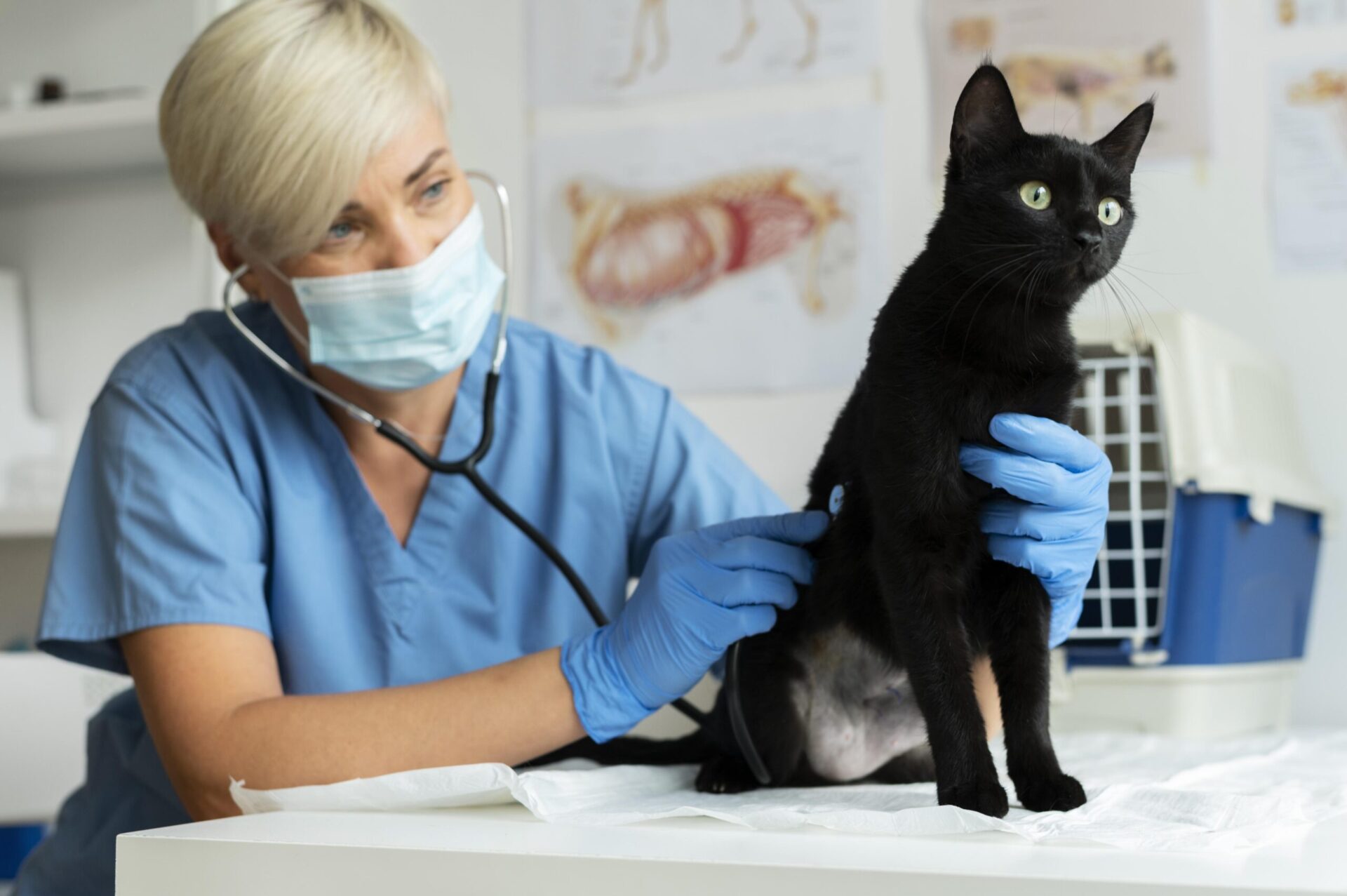
Comprehensive Guide to Medicines, Preventatives, and Finding a Vet for Dogs and Cats
Caring for our beloved pets involves more than just providing them with food and shelter. Just like humans, dogs and cats require regular medical attention to stay healthy and happy. From preventive measures to treating illnesses and injuries, understanding the importance of medicines, preventatives, and finding a reliable veterinarian is essential for responsible pet ownership.
Medicines for Dogs and Cats
- Flea and Tick Control: Fleas and ticks not only cause discomfort to pets but can also transmit diseases. Various topical treatments, collars, and oral medications are available to prevent infestations and protect your furry friend from these pesky parasites.
- Heartworm Prevention: Heartworm disease is a serious and potentially fatal condition transmitted by mosquitoes. Monthly heartworm preventatives, available as chewable tablets or topical treatments, are crucial for protecting dogs and, in some cases, cats from this life-threatening illness.
- Worming Treatments: Intestinal parasites such as roundworms, hookworms, and tapeworms are common in dogs and cats and can cause gastrointestinal issues and other health problems. Deworming medications are administered regularly to eliminate these parasites and prevent reinfestation.
- Pain Relief and Anti-inflammatory Drugs: Pets, like humans, may experience pain and inflammation due to injuries, arthritis, or other health conditions. Veterinarians may prescribe pain relief medications or anti-inflammatory drugs to alleviate discomfort and improve your pet’s quality of life.
- Antibiotics and Antifungal Medications: Bacterial and fungal infections can affect dogs and cats, causing skin problems, ear infections, urinary tract infections, and more. Antibiotics and antifungal medications are prescribed by veterinarians to treat and eradicate these infections effectively.
- Allergy Medications: Allergies are common in pets and can manifest as skin irritations, itching, sneezing, or gastrointestinal issues. Antihistamines, corticosteroids, or allergy shots may be recommended by veterinarians to manage allergy symptoms and improve your pet’s comfort.
- Chronic Disease Management: Pets, especially senior animals, may develop chronic conditions such as diabetes, kidney disease, or thyroid disorders. Long-term medications, dietary changes, and regular monitoring are essential for managing these conditions and maintaining your pet’s health and well-being.
Preventative Care for Dogs and Cats
- Regular Vaccinations: Vaccinations are vital for preventing contagious and potentially deadly diseases such as rabies, distemper, parvovirus, and feline leukemia. Your veterinarian will develop a customized vaccination schedule based on your pet’s age, lifestyle, and risk factors.
- Annual Wellness Exams: Routine wellness exams allow veterinarians to assess your pet’s overall health, detect any underlying issues early, and provide preventive care recommendations. These exams typically include a physical examination, vaccinations, parasite screenings, and discussions about nutrition and behavior.
- Dental Care: Dental health is crucial for pets’ overall well-being, yet it is often overlooked. Regular dental cleanings, at-home dental care, and dental-specific diets help prevent dental disease, including tartar buildup, gum inflammation, and tooth decay.
- Nutritional Supplements: Some pets may benefit from nutritional supplements such as omega-3 fatty acids, glucosamine, or probiotics to support joint health, skin and coat condition, or digestive function. Consult with your veterinarian before introducing any supplements to your pet’s diet.
- Weight Management: Obesity is a significant health concern for pets and can lead to various health issues, including diabetes, arthritis, and heart disease. Maintaining a healthy weight through balanced nutrition, portion control, and regular exercise is essential for preventing obesity and promoting longevity.
Finding a Veterinarian
- Ask for Recommendations: Seek recommendations from friends, family members, or local pet owners for reputable veterinarians in your area. Personal referrals often provide valuable insights into the quality of care and services offered.
- Research Online Reviews: Utilize online review platforms or veterinary directories to research and compare veterinary clinics in your area. Pay attention to reviews regarding the veterinarian’s expertise, communication skills, compassion, and the clinic’s facilities and cleanliness.
- Schedule a Visit: Once you’ve narrowed down your options, schedule a visit to the veterinary clinic to meet the staff, tour the facilities, and assess the overall atmosphere. A welcoming and well-equipped clinic with knowledgeable and compassionate staff is essential for a positive veterinary experience.
- Consider Specializations: Depending on your pet’s specific needs, you may want to choose a veterinarian with expertise in particular areas such as emergency medicine, dentistry, or exotic animal care. Specialized clinics or veterinary practices may offer a higher level of care for certain conditions or procedures.
- Evaluate Communication and Compatibility: Effective communication between you and your veterinarian is crucial for your pet’s health and well-being. Choose a veterinarian who listens to your concerns, answers your questions, and explains treatment options in a clear and compassionate manner. Additionally, consider whether you feel comfortable and confident in the veterinarian’s abilities to care for your pet.
In conclusion, medicines, preventatives, and regular veterinary care are essential components of responsible pet ownership. By prioritizing preventive measures, seeking timely medical attention, and establishing a trusting relationship with a qualified veterinarian, you can ensure your furry companion leads a healthy, happy, and fulfilling life. Remember, your pet’s health is worth investing in, so never hesitate to consult with a veterinarian if you have any concerns about your pet’s well-being.

About Us
Summerville, South Carolina
Please Email Us: ILoveFurryBabies@gmail.com
Mon - Fri: 10AM - 5PM
Quick Links
© 2024 – 2026 Love Furry Babies. All Rights Reserved
Pet Check-In Policies & Service Agreement | Terms | Disclaimers | Privacy | Attributes | Website Hosted & Owned By Azalea Creations